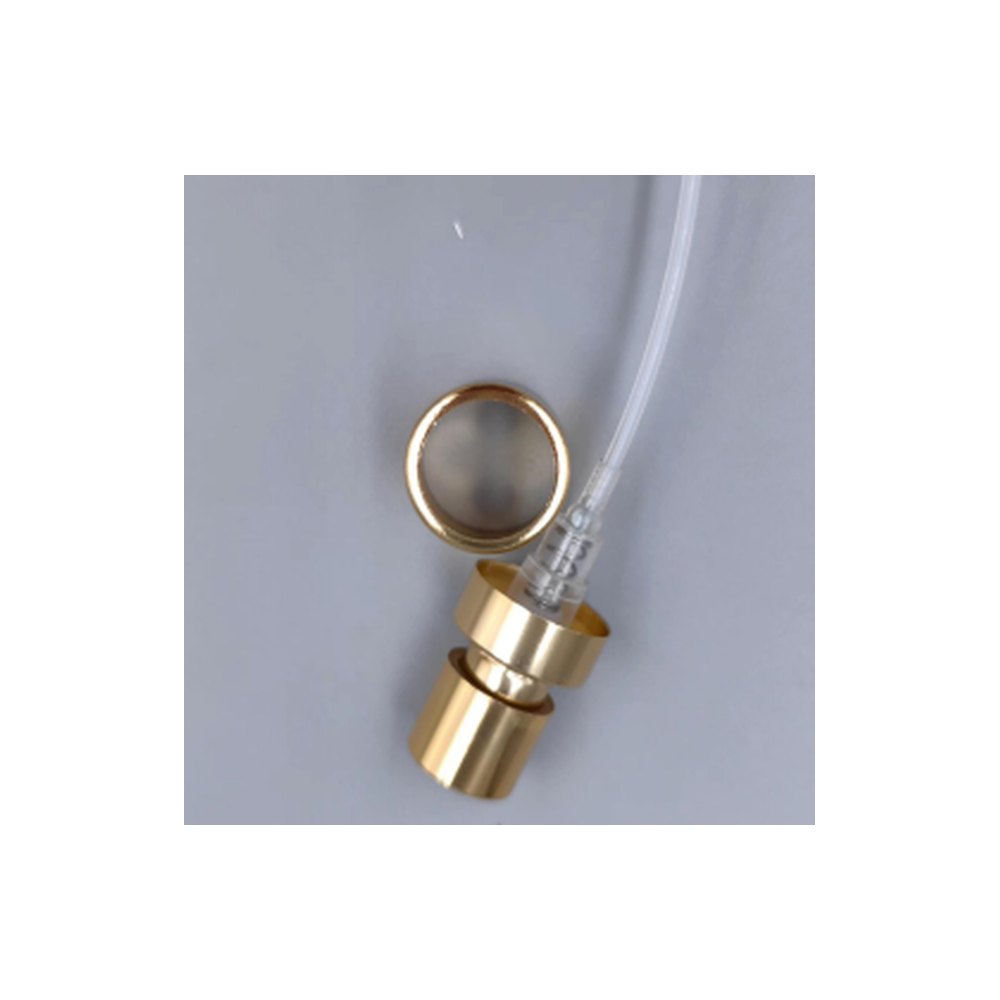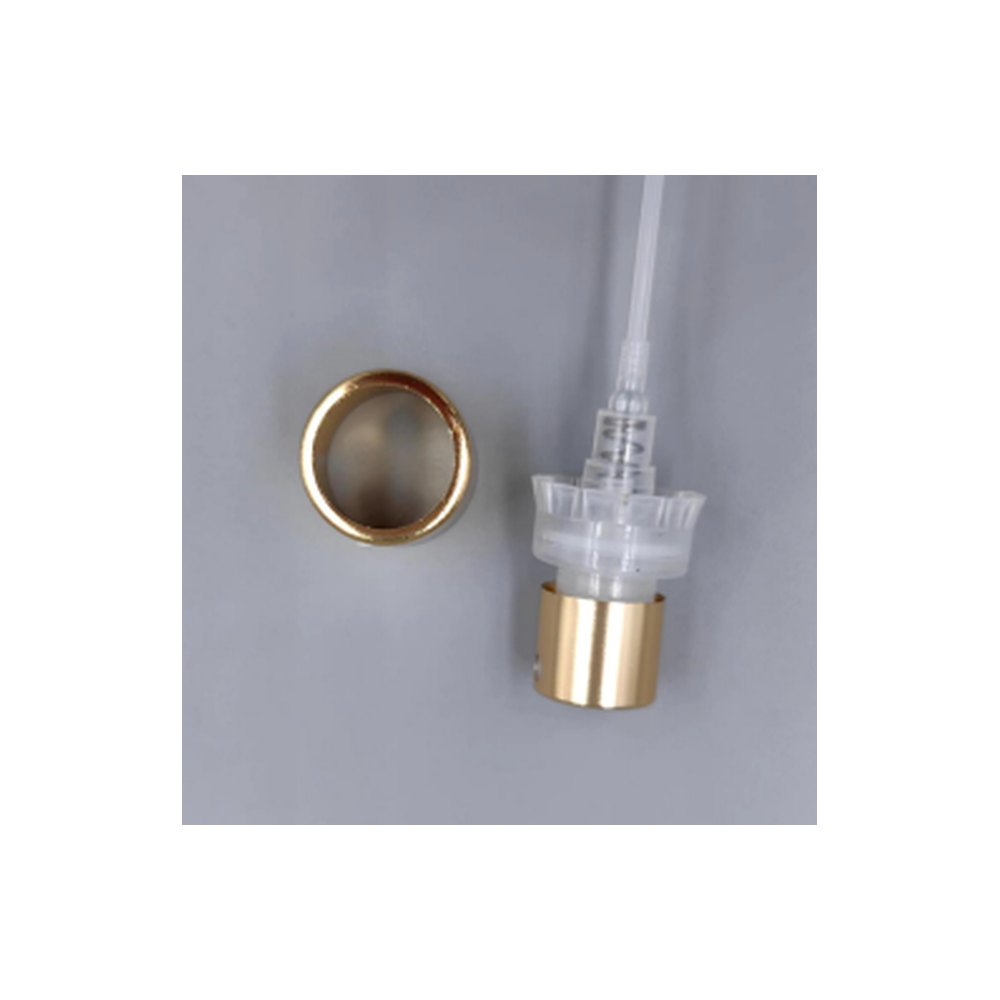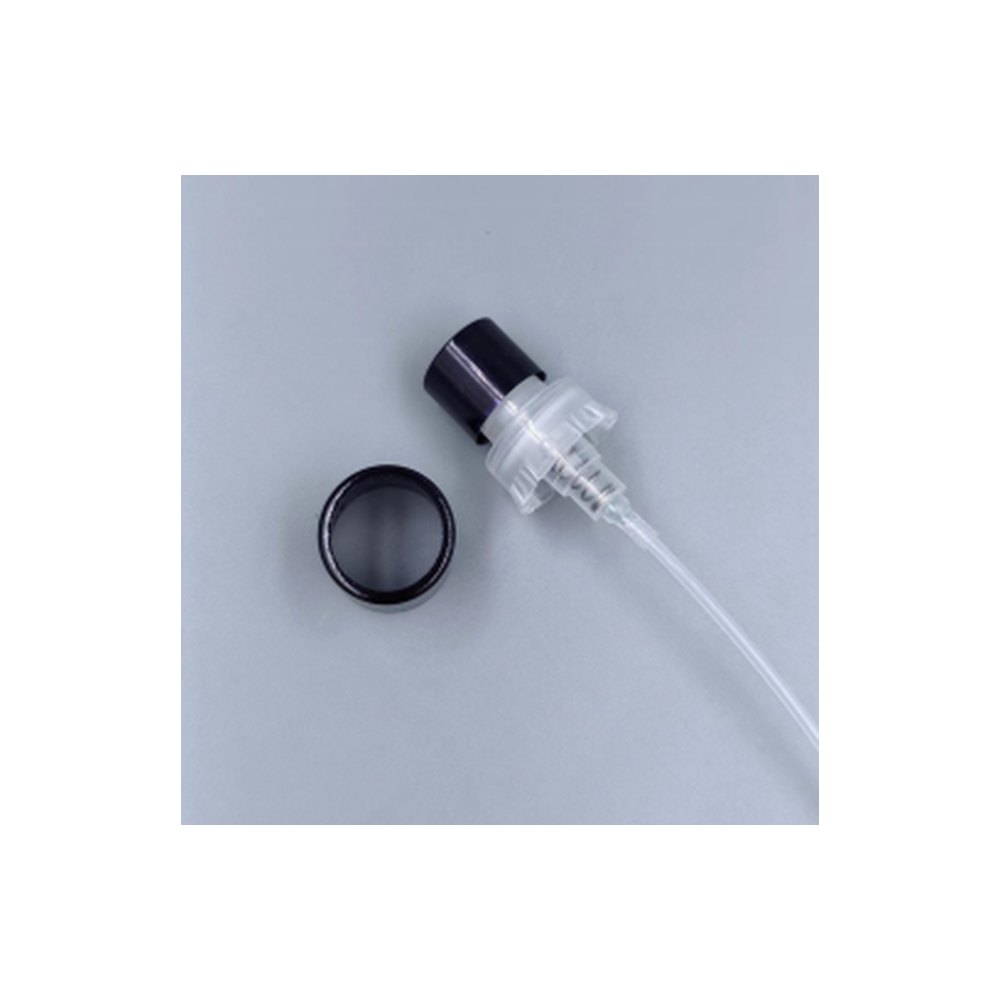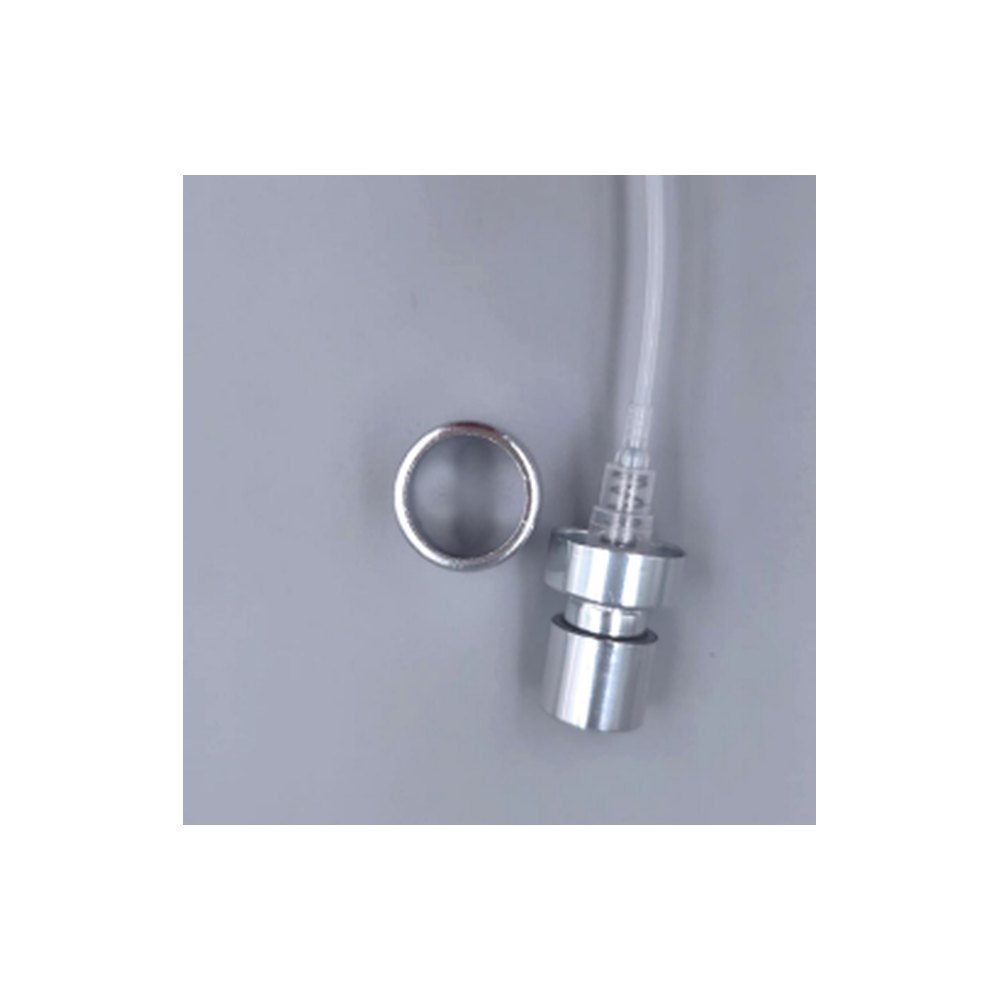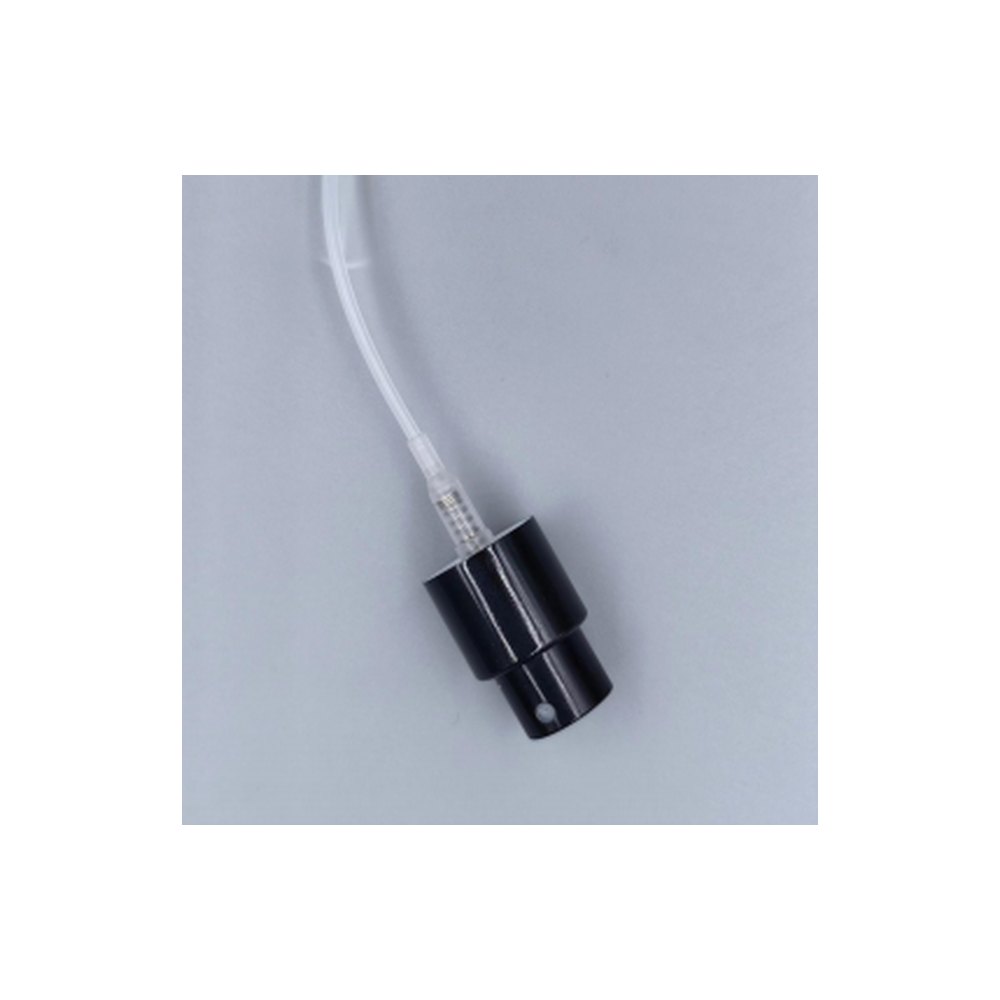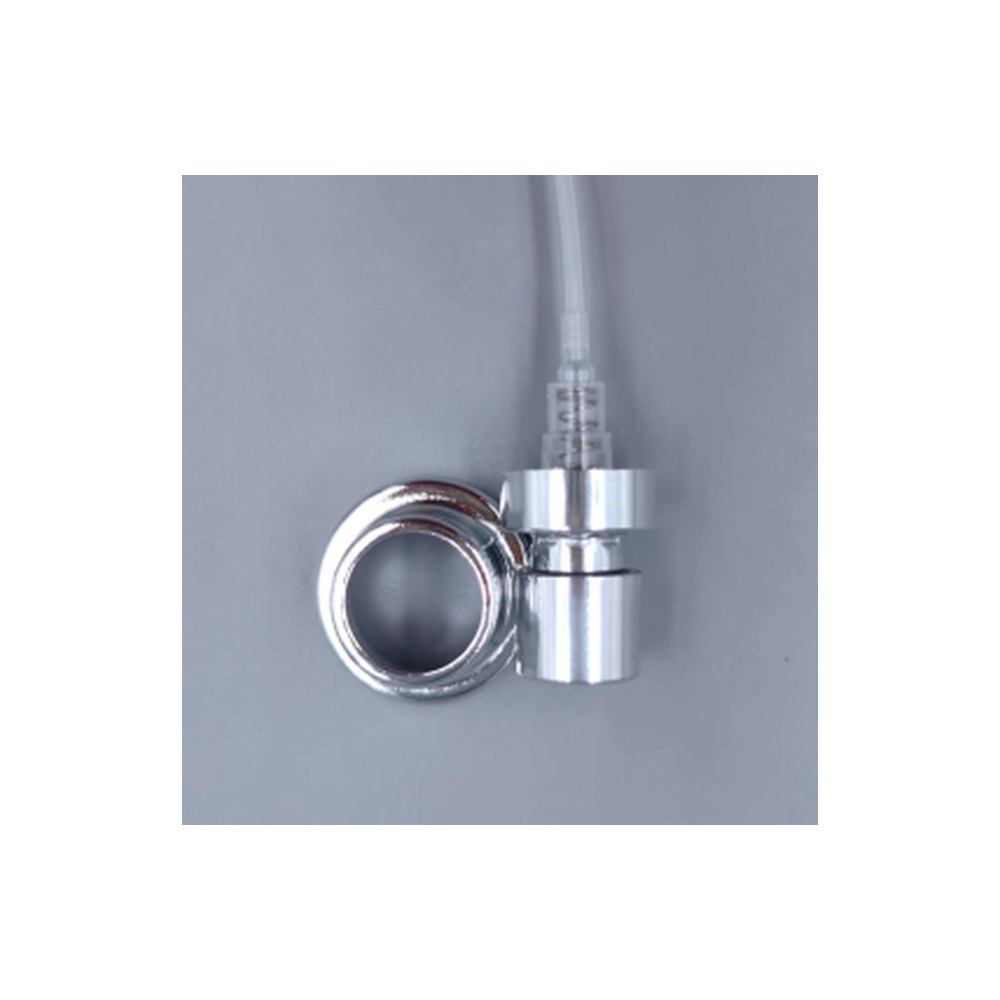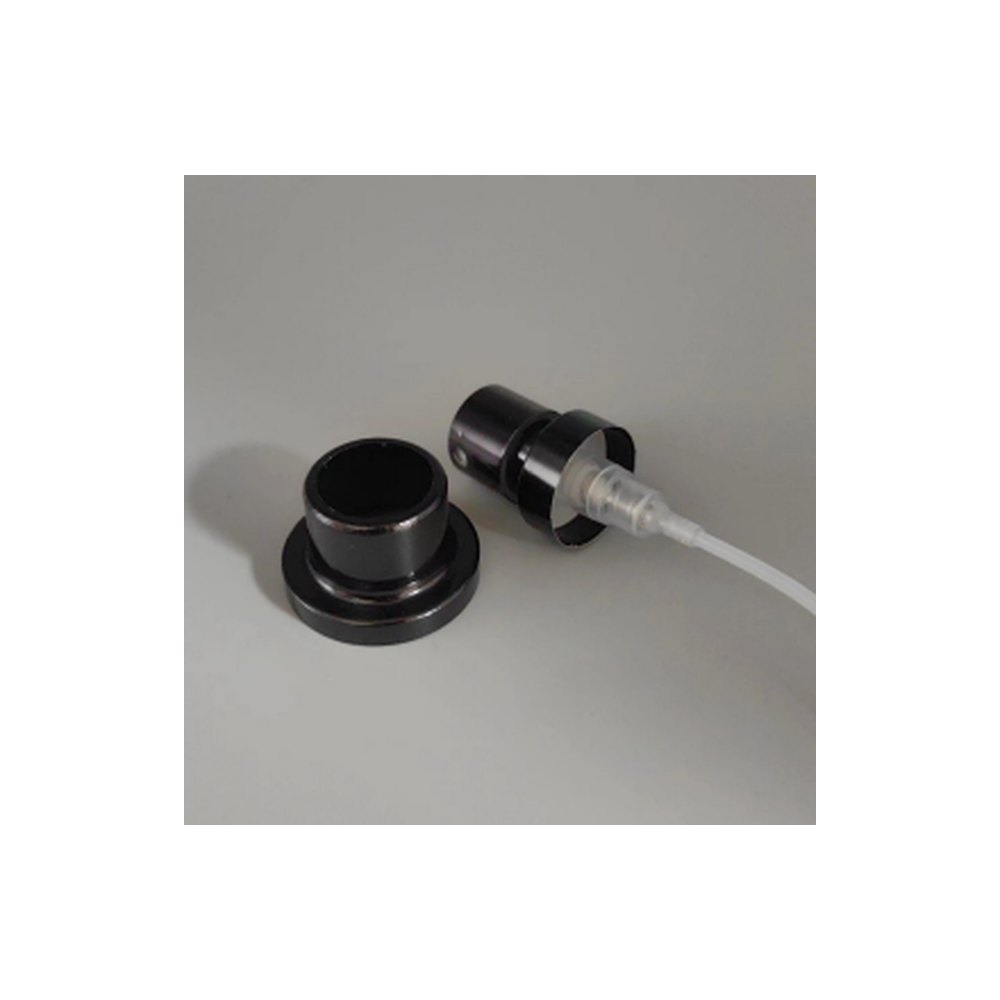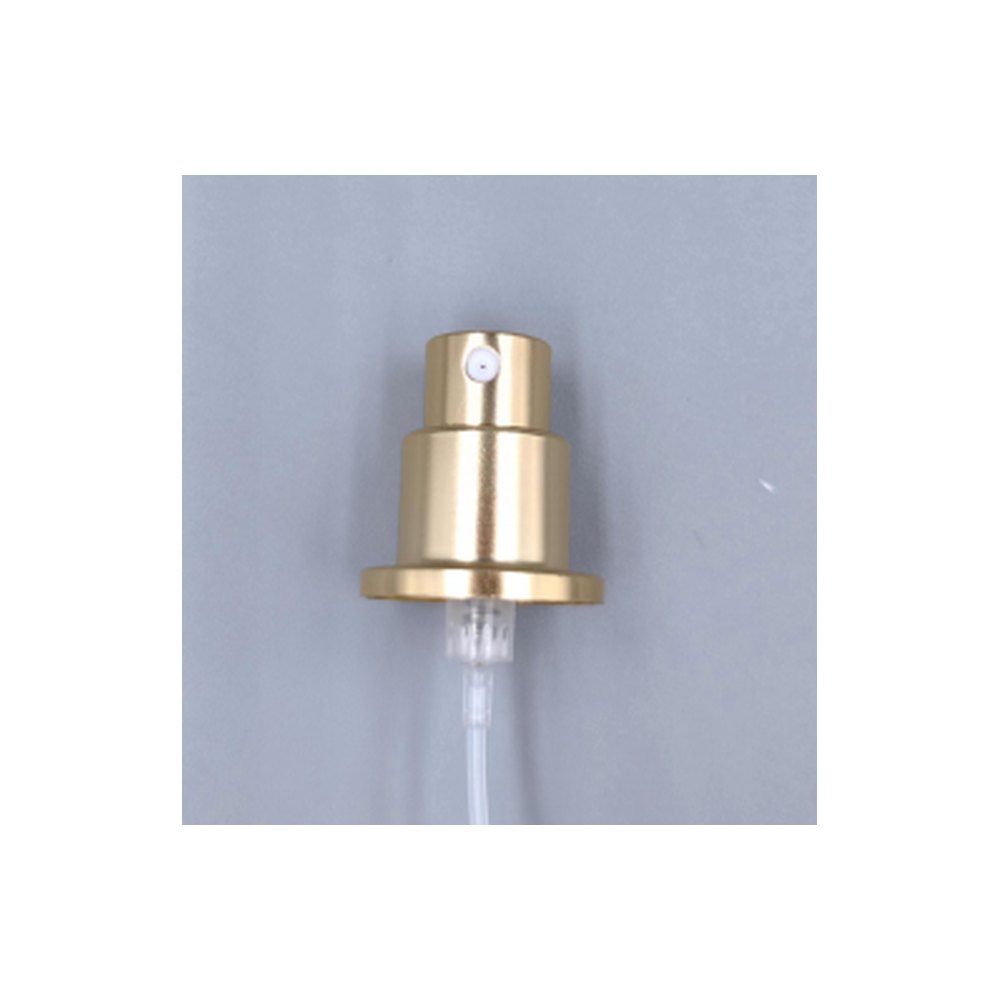
Start with the exact assembly interface
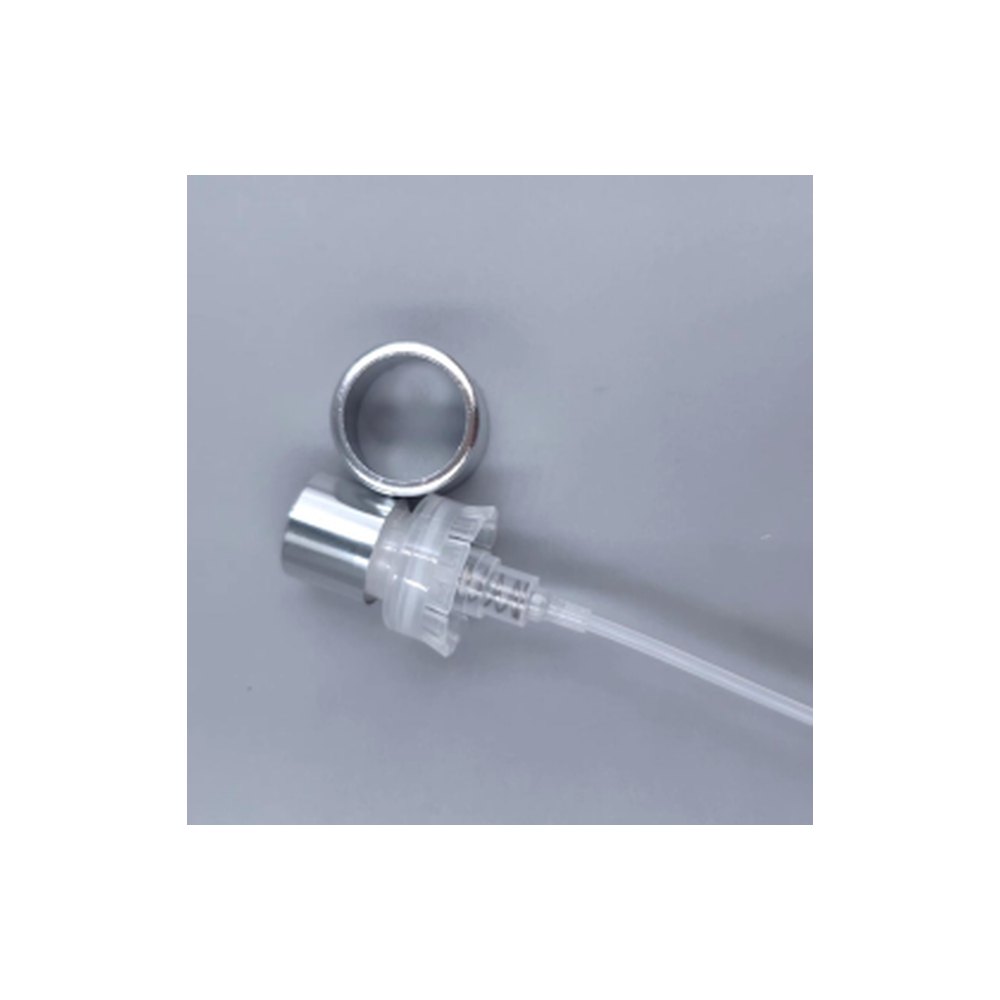
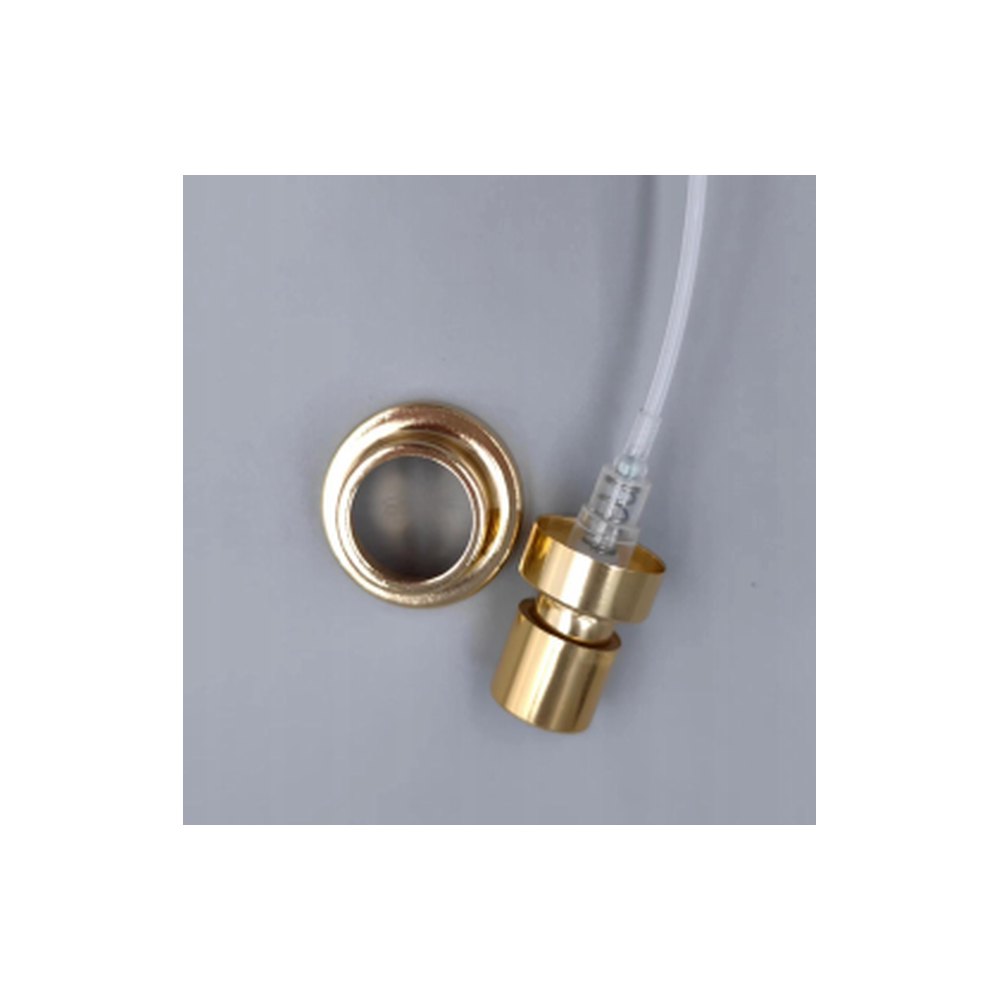
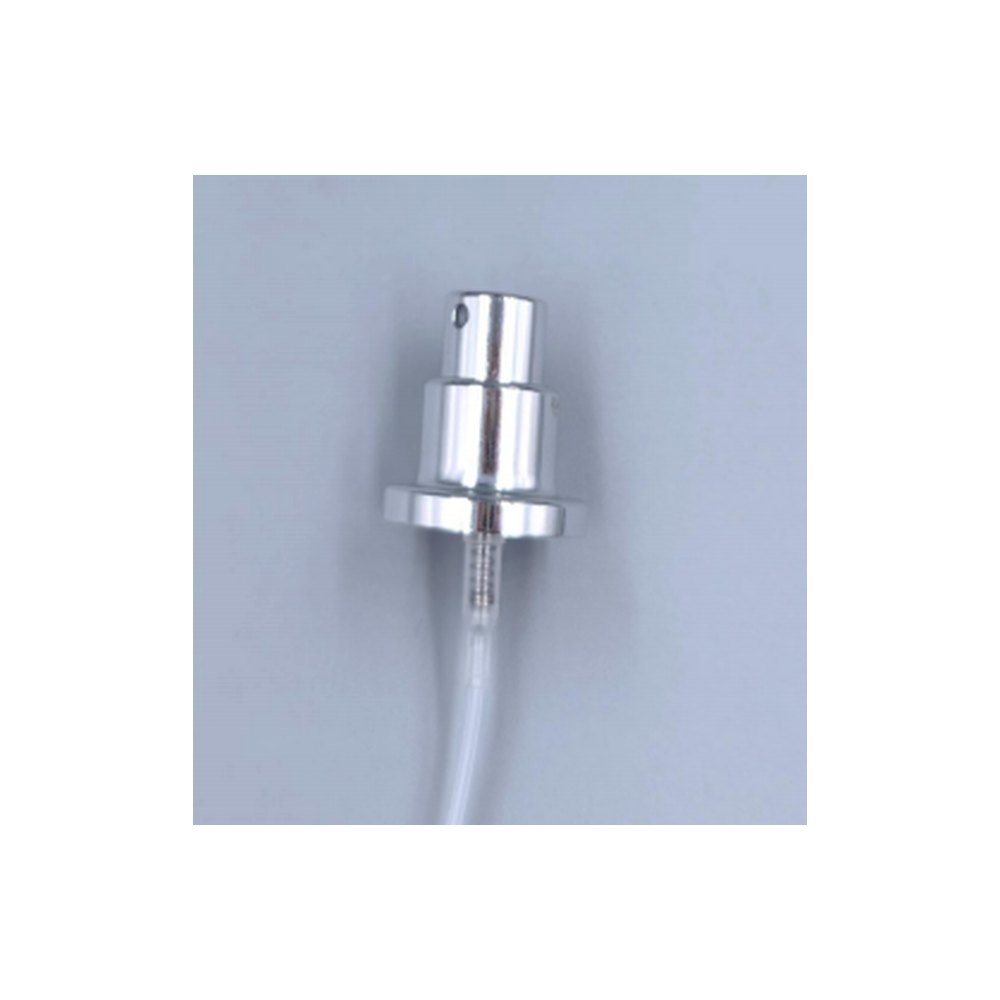
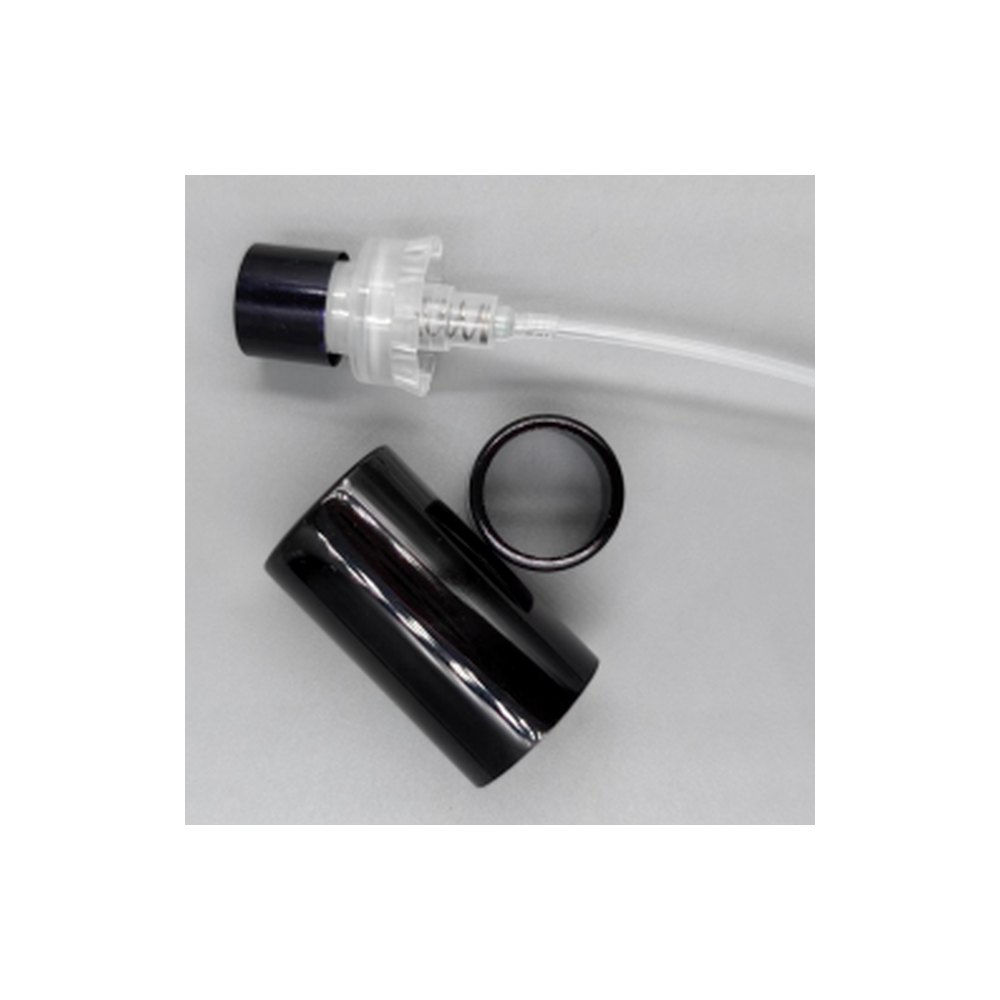
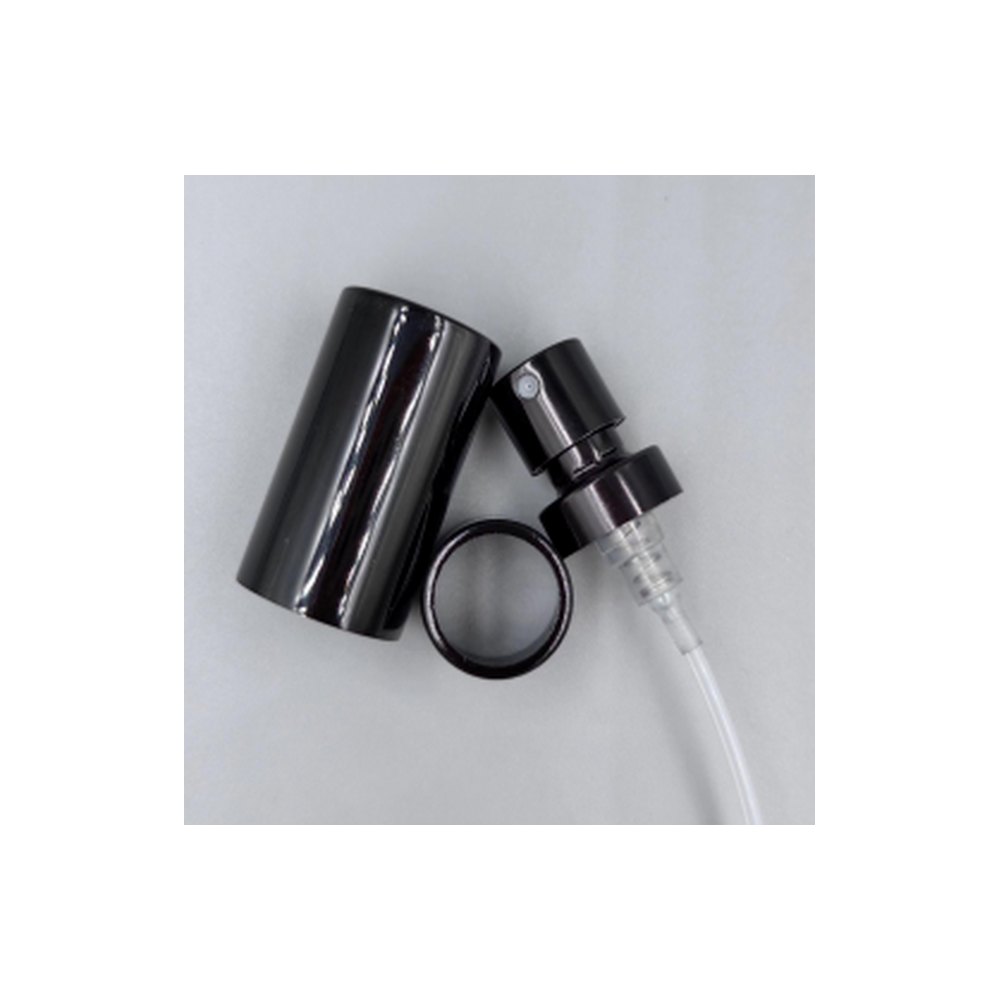
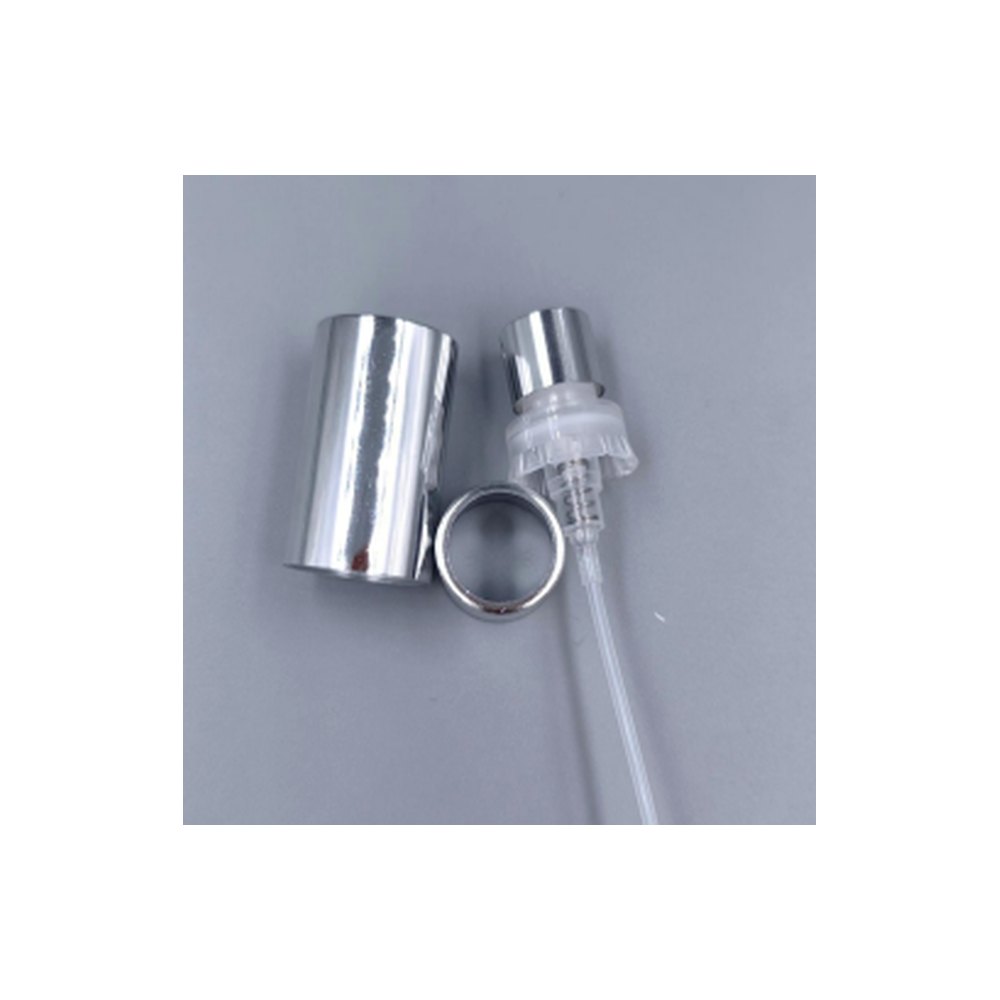
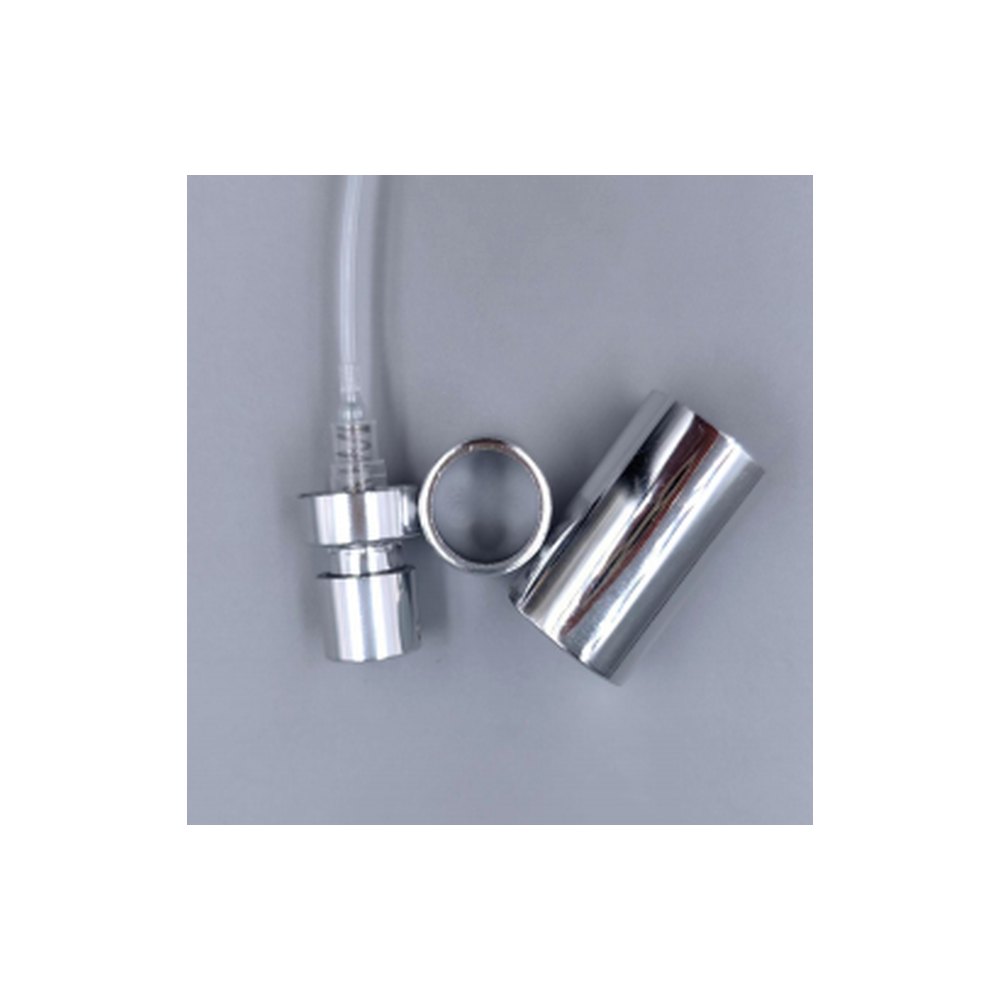
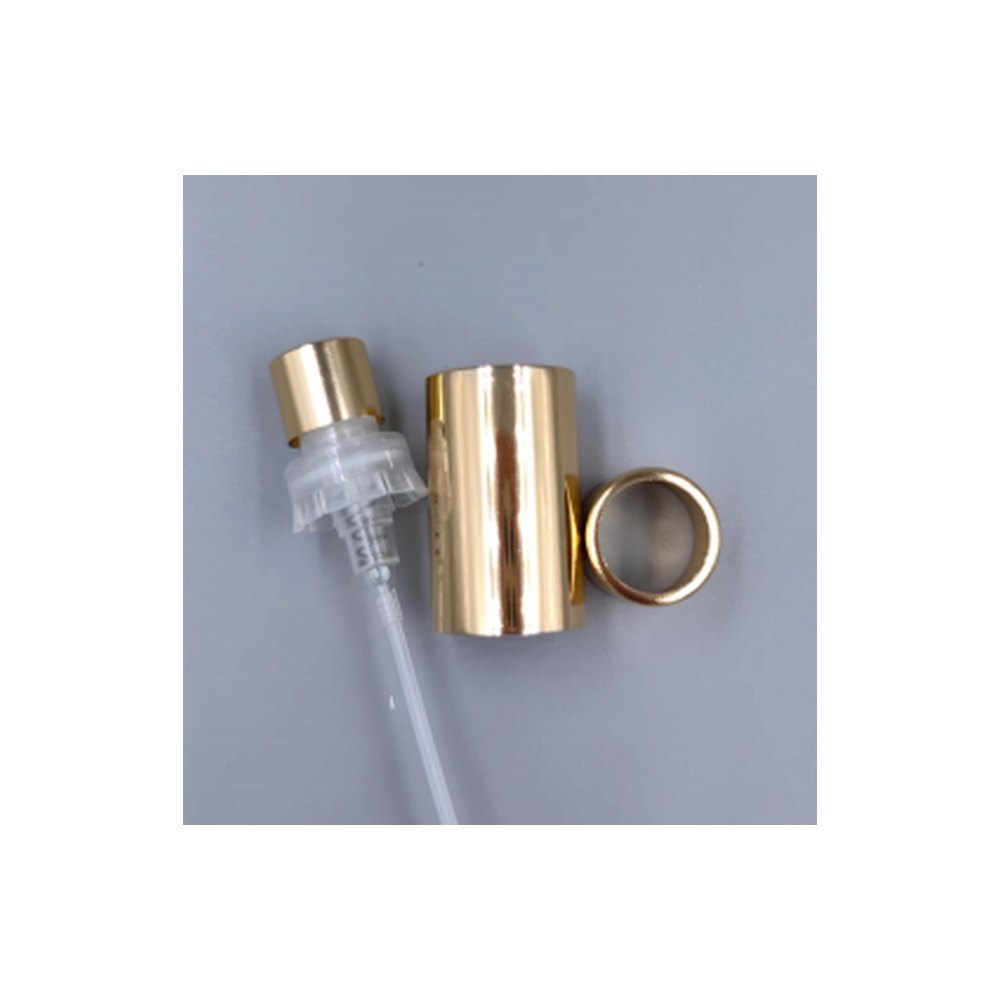
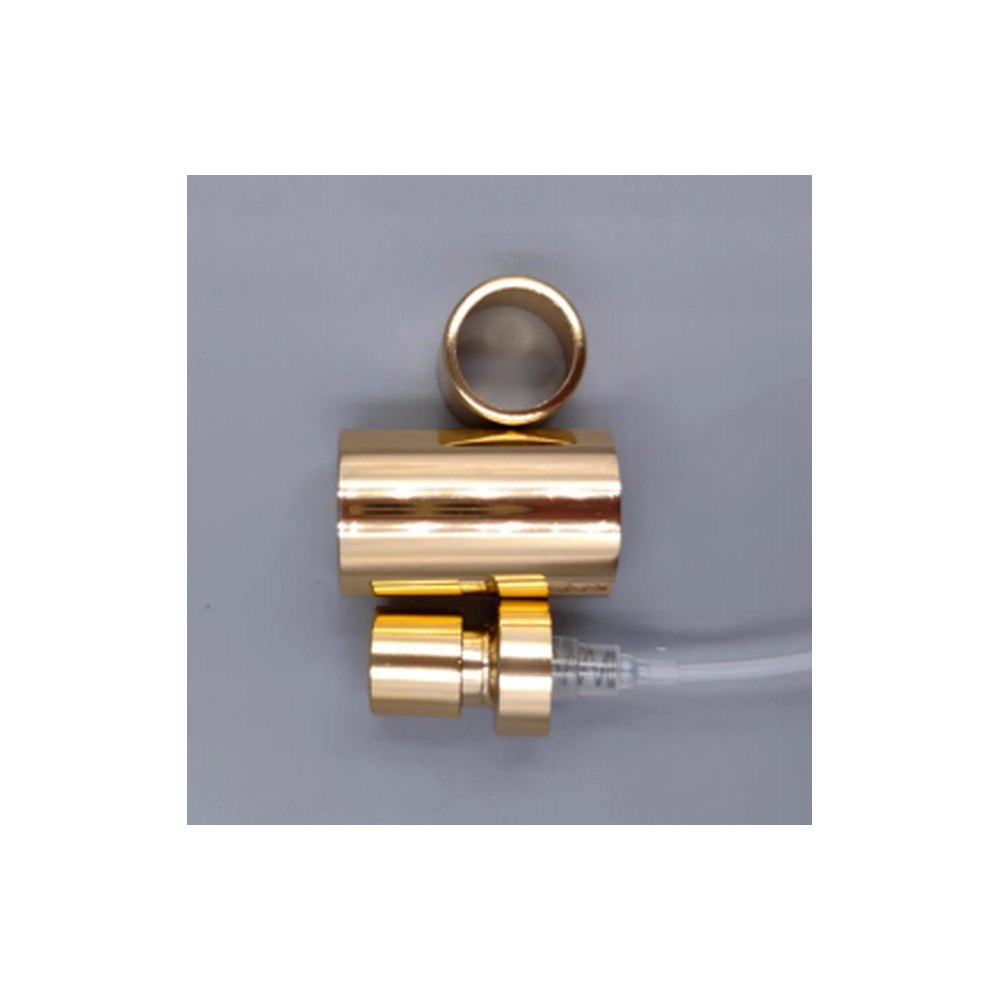
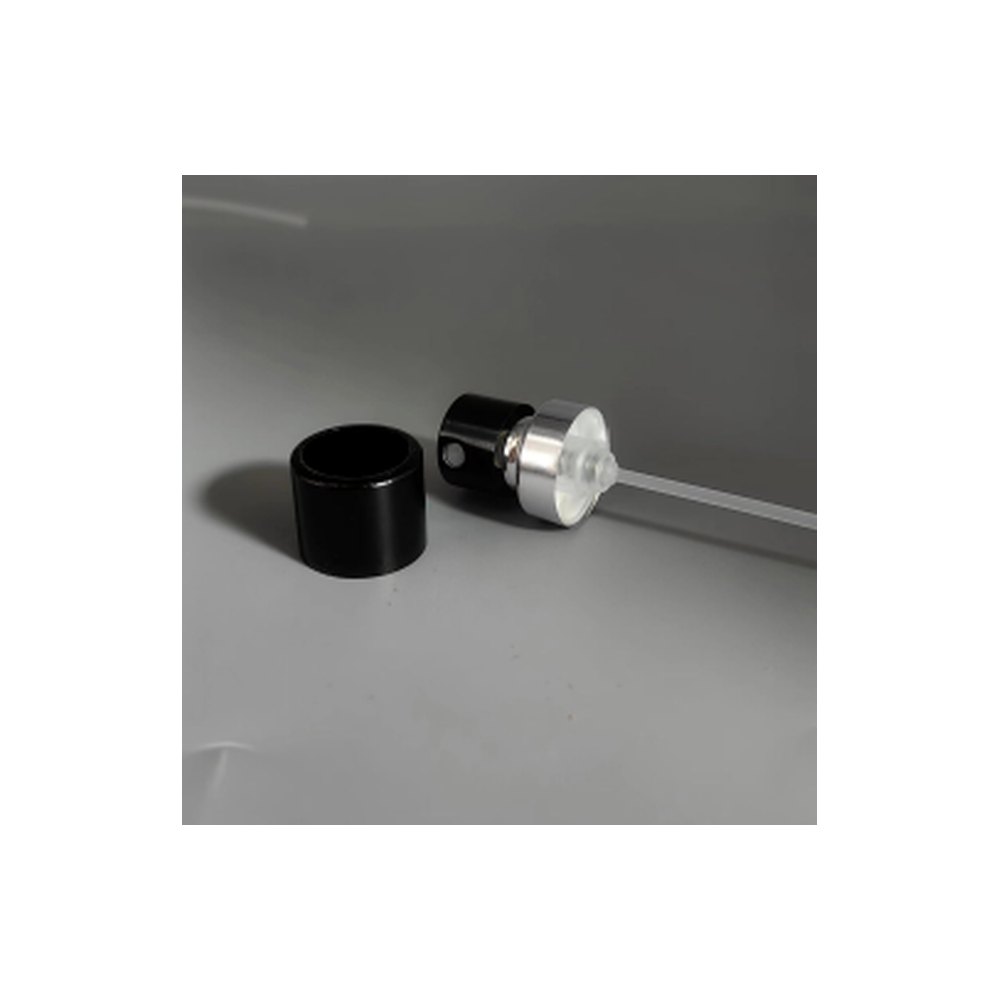
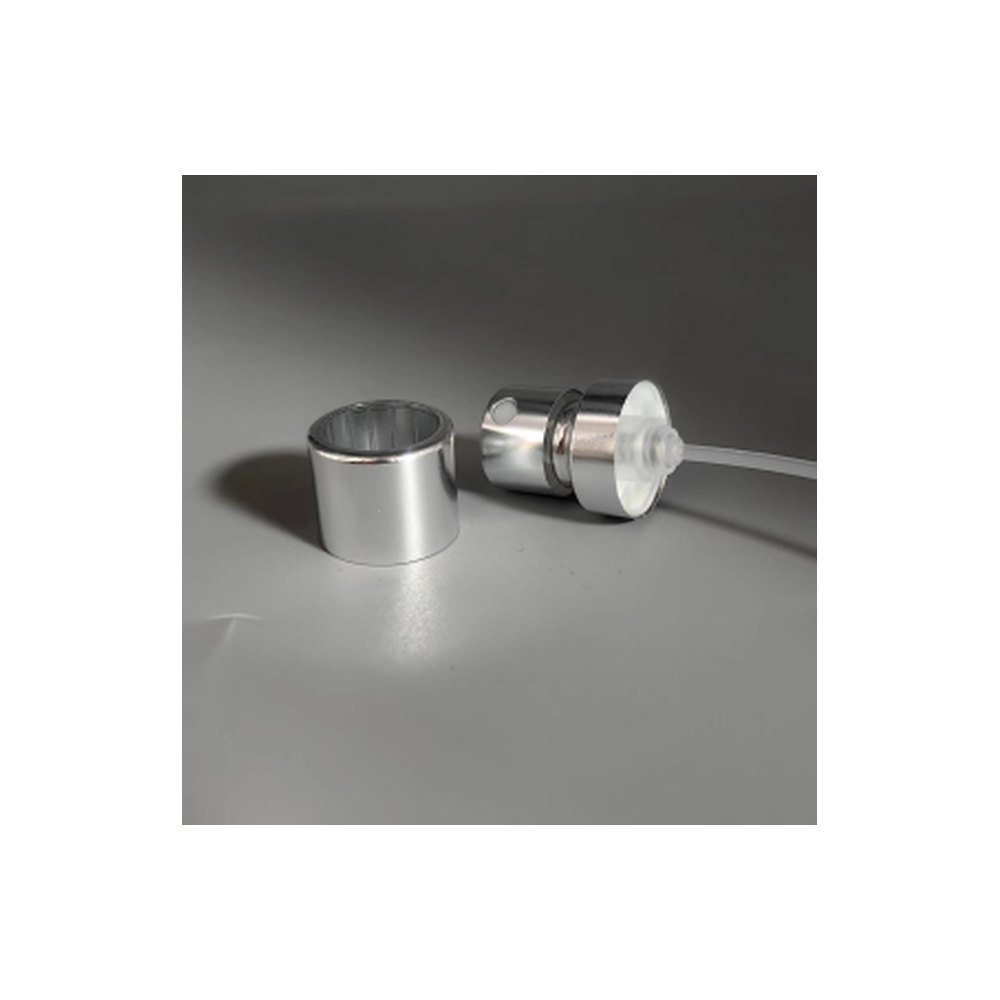
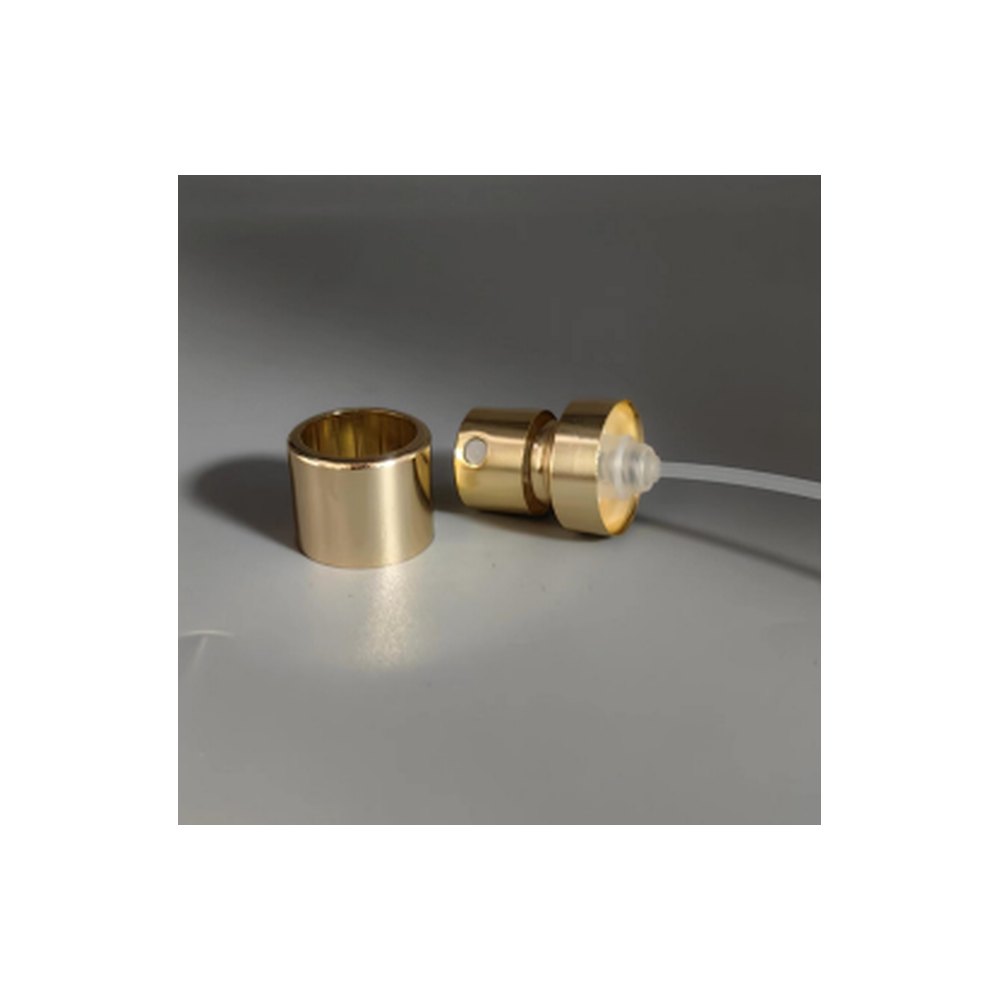
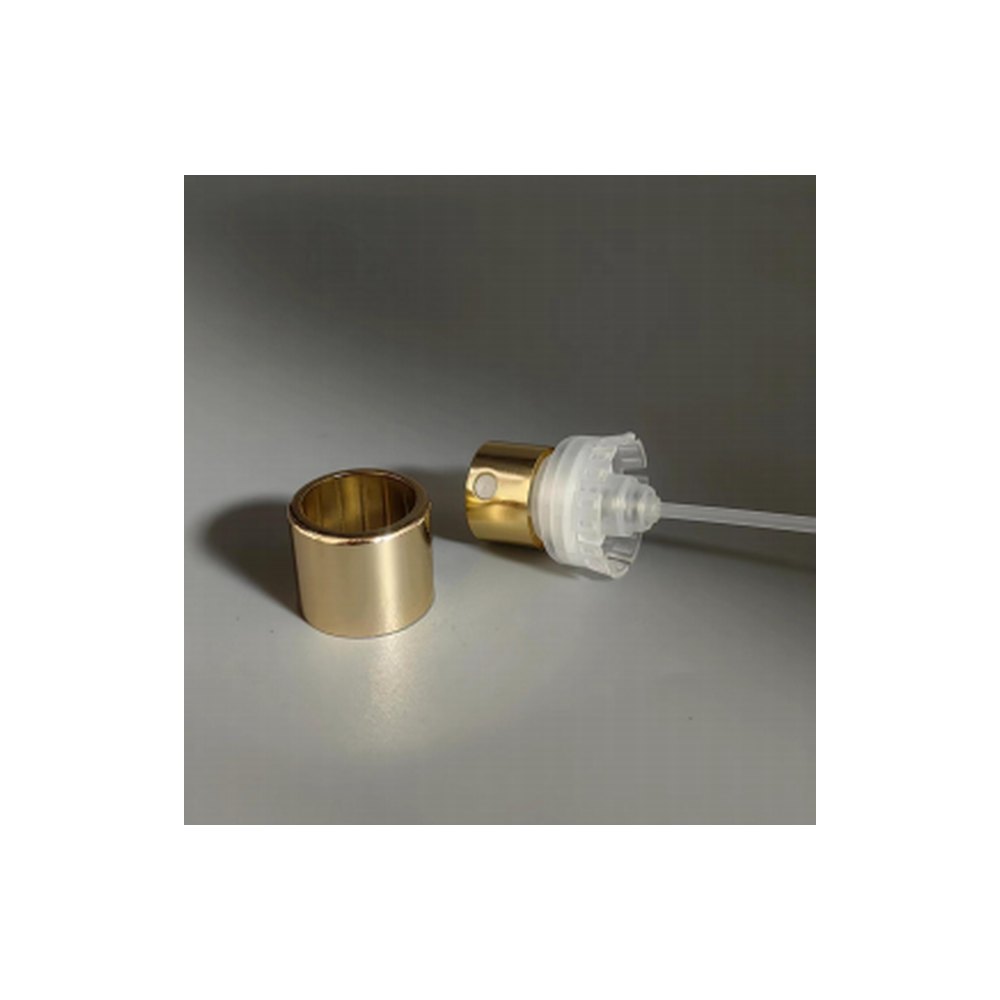
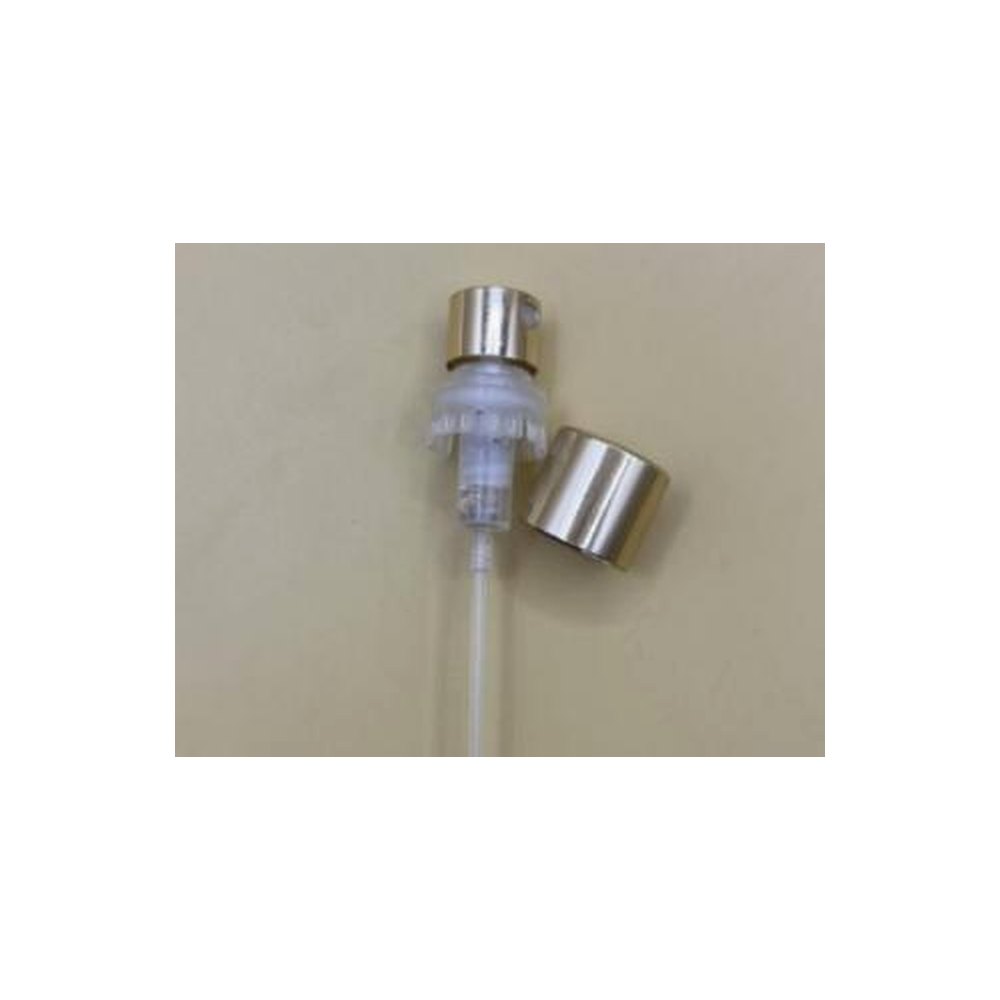
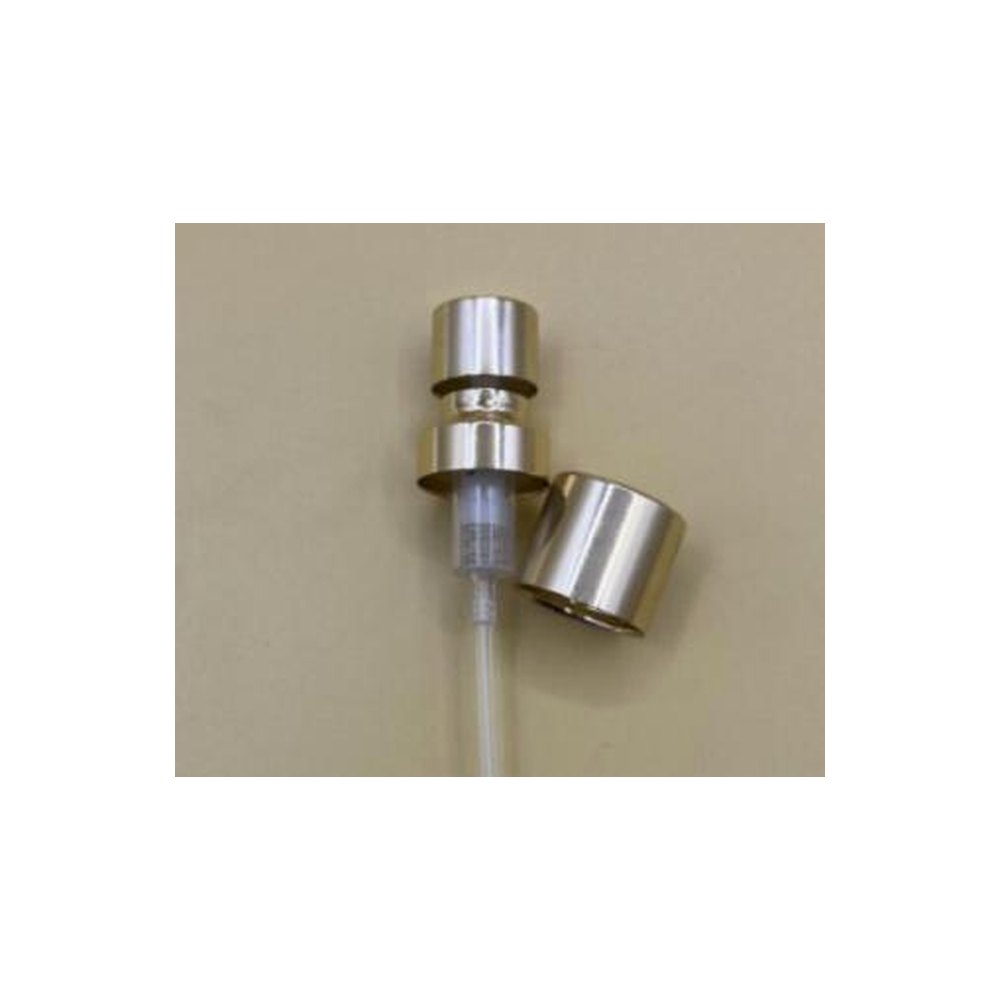
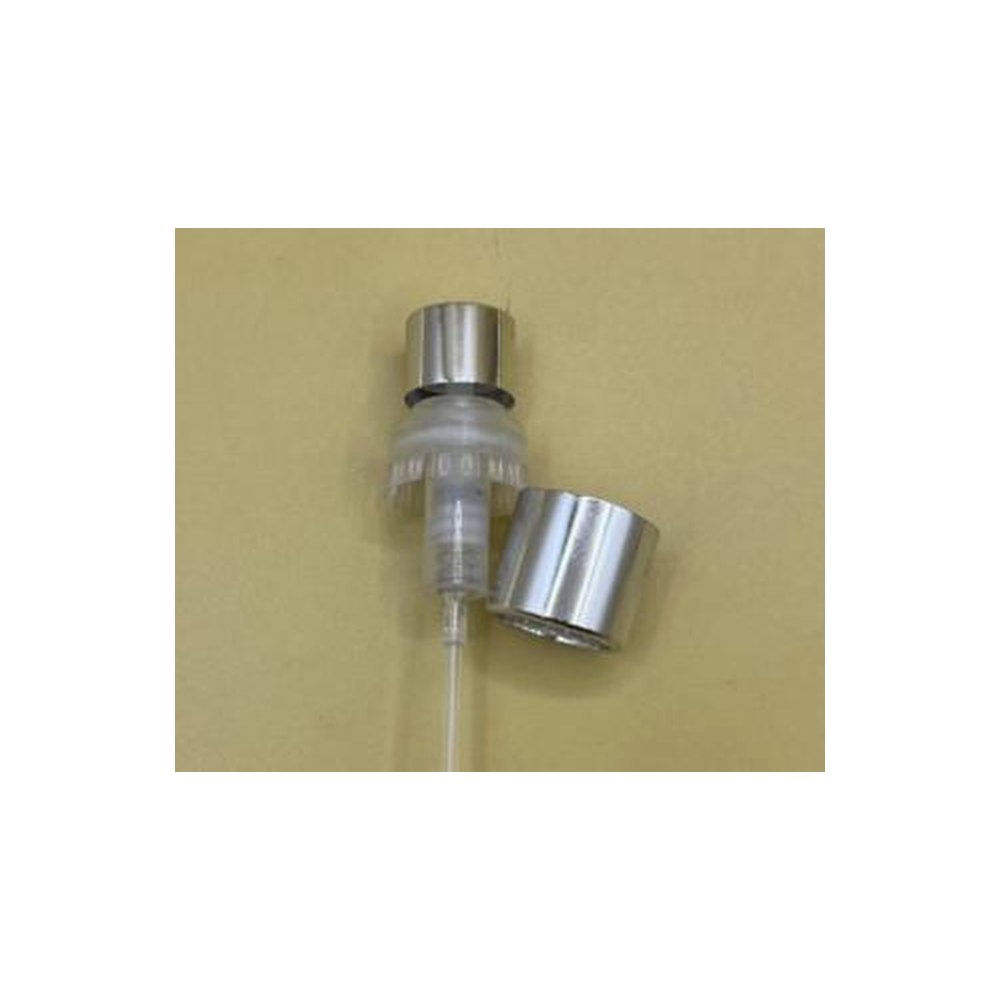
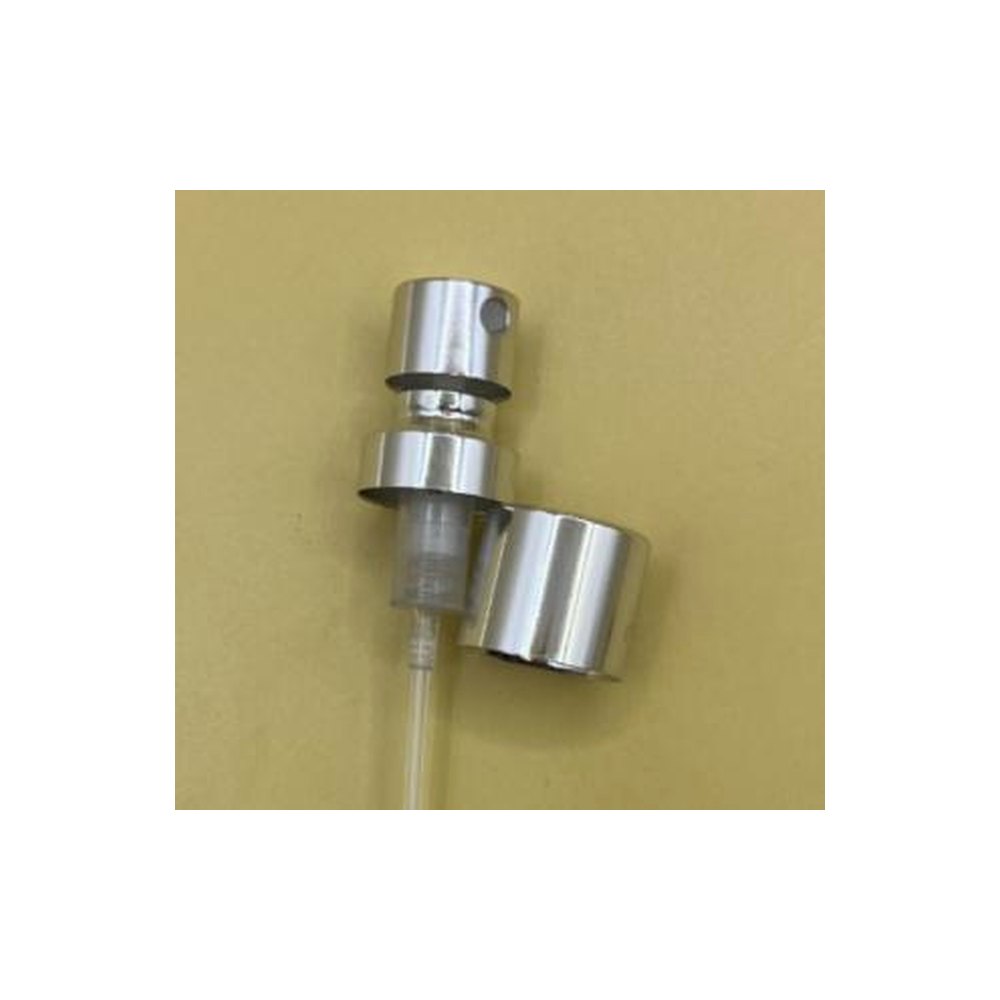
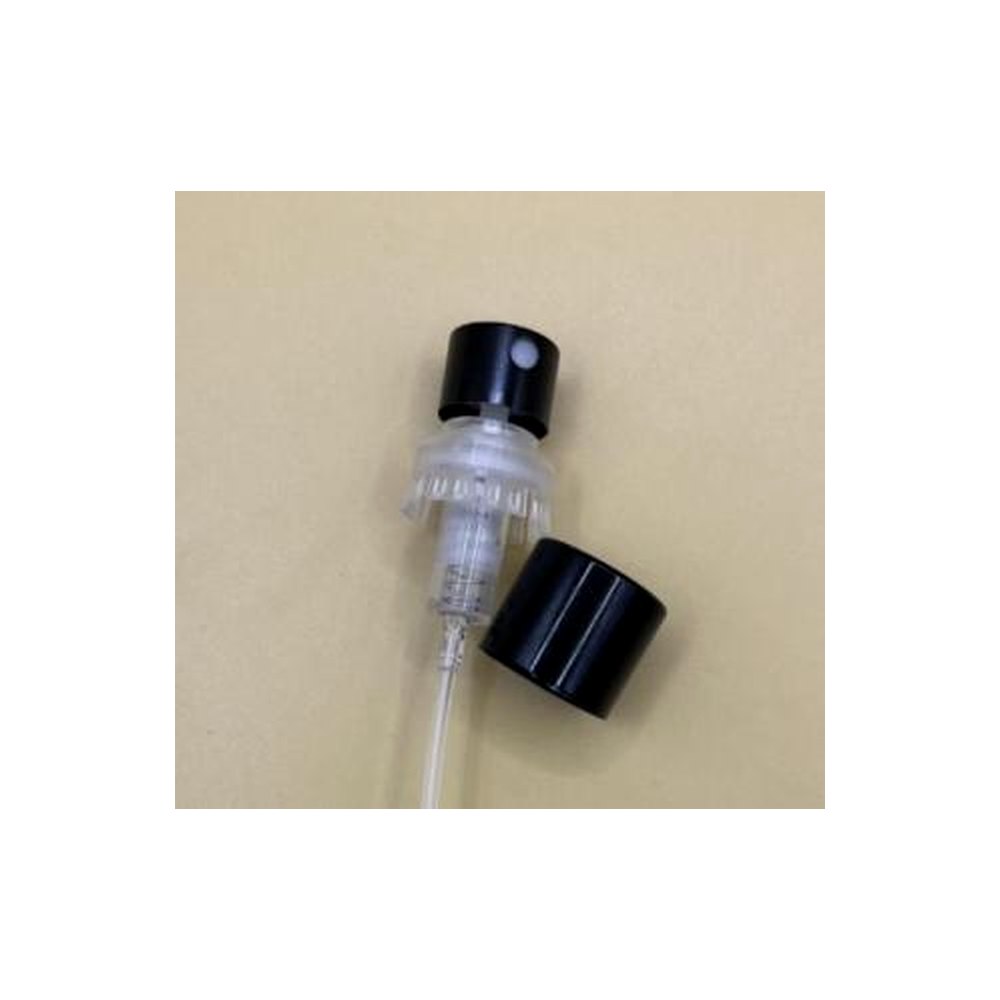
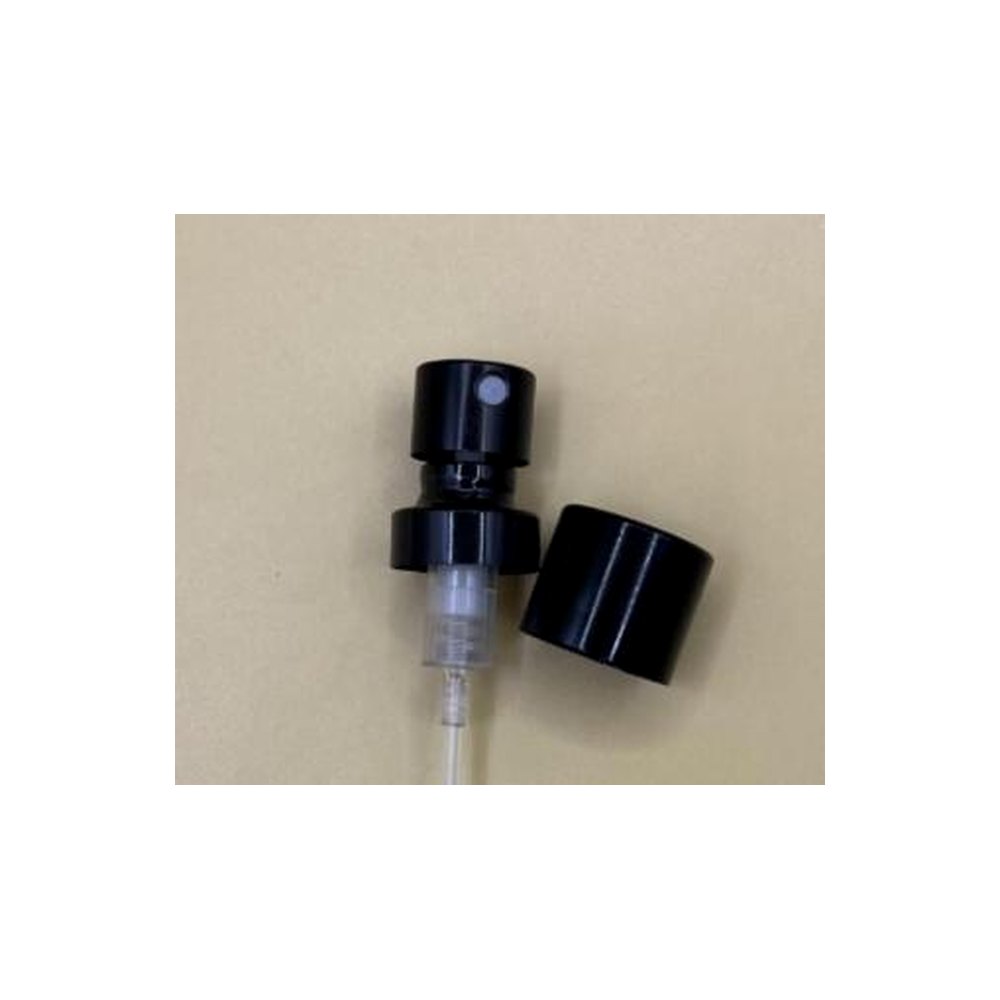
The bottle neck, pump ferrule, shoulder or collar, cap cavity and internal engagement geometry determine whether the pack assembles consistently. Nominal diameter is only the first filter. Share the current bottle and pump drawings, target assembly method and cap direction before approving a component.
Choose material and finish separately
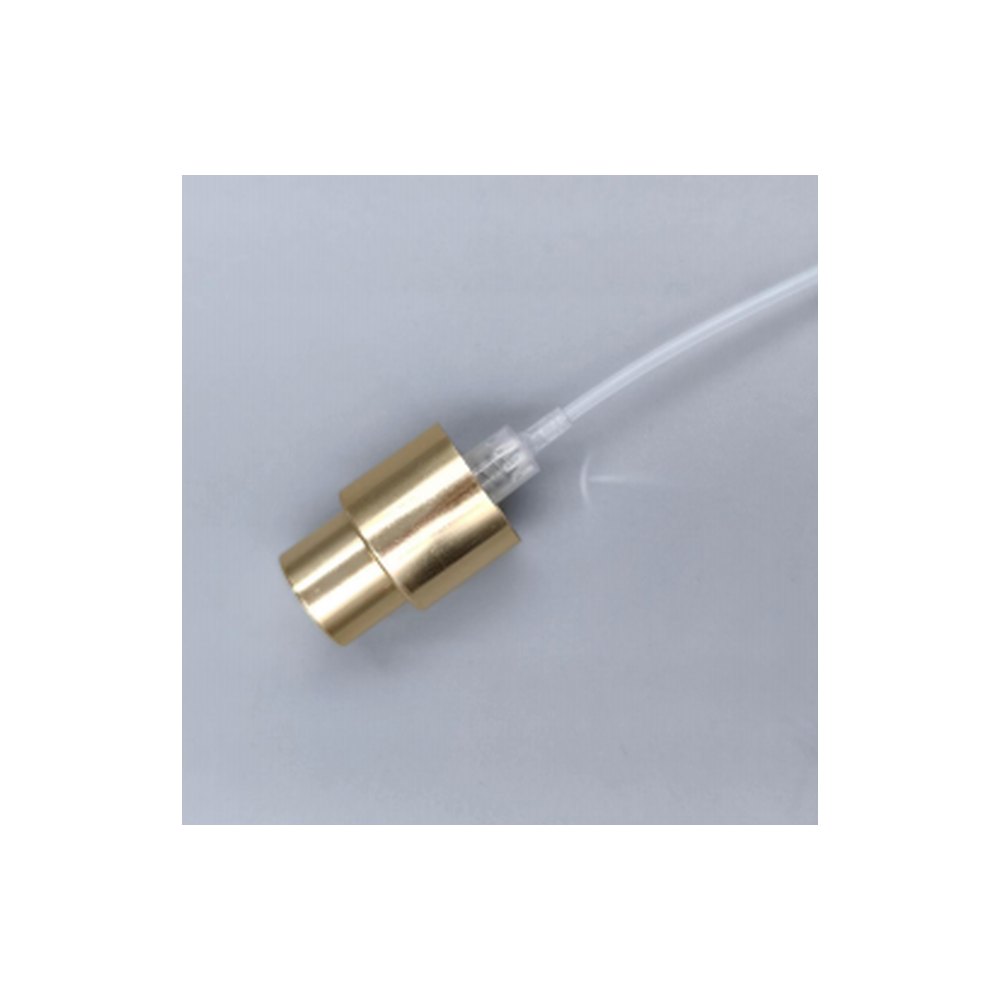
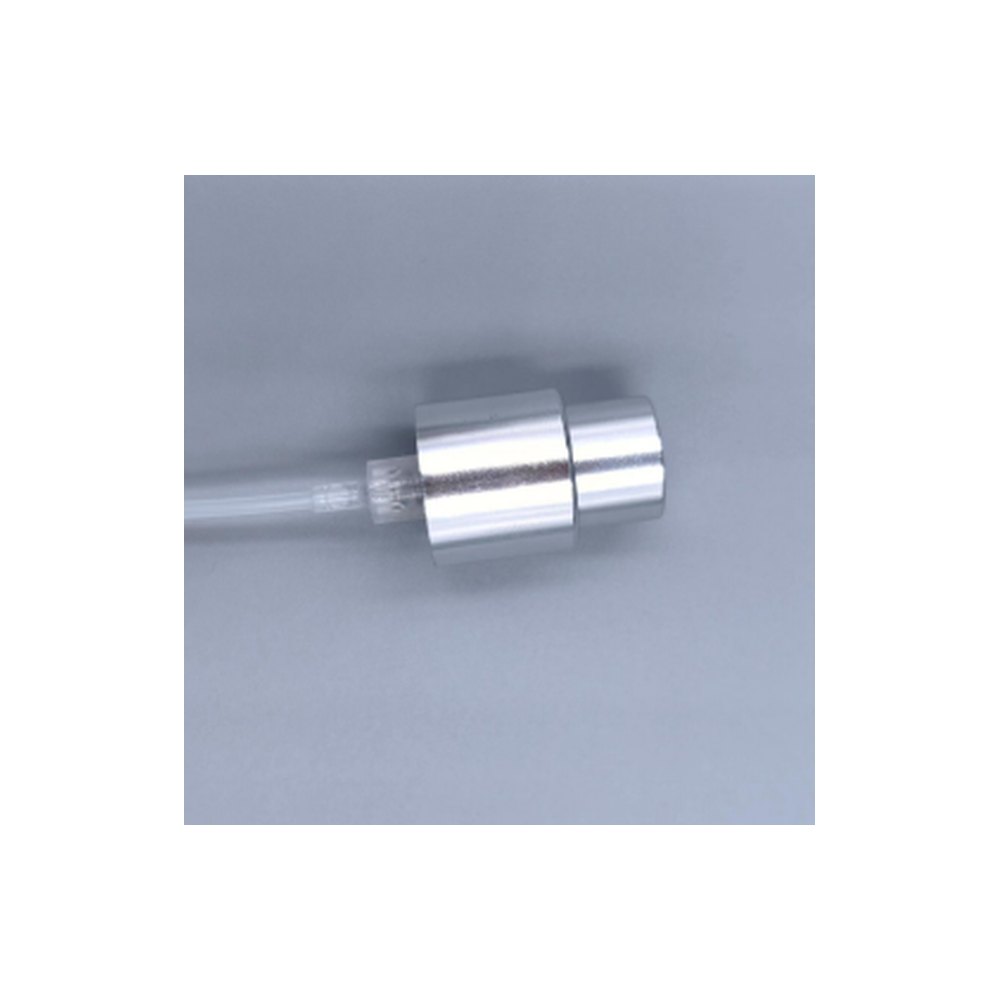
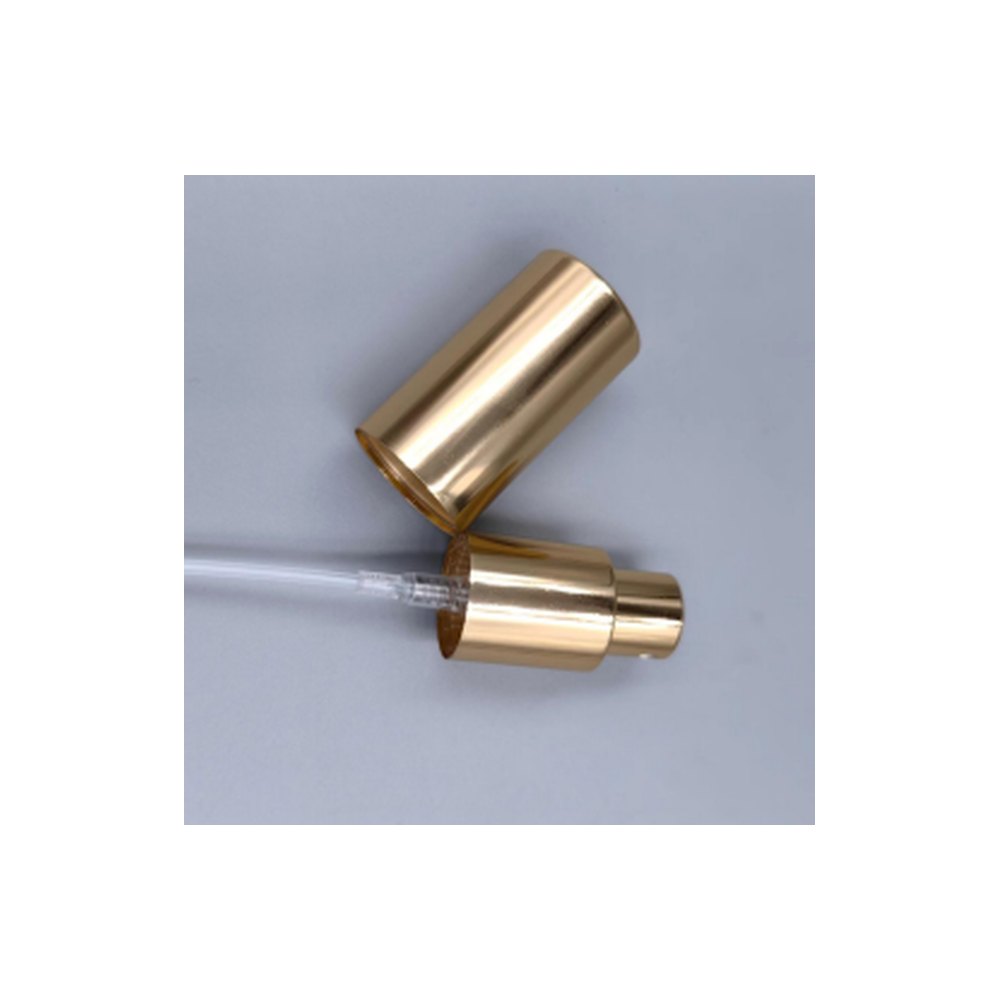
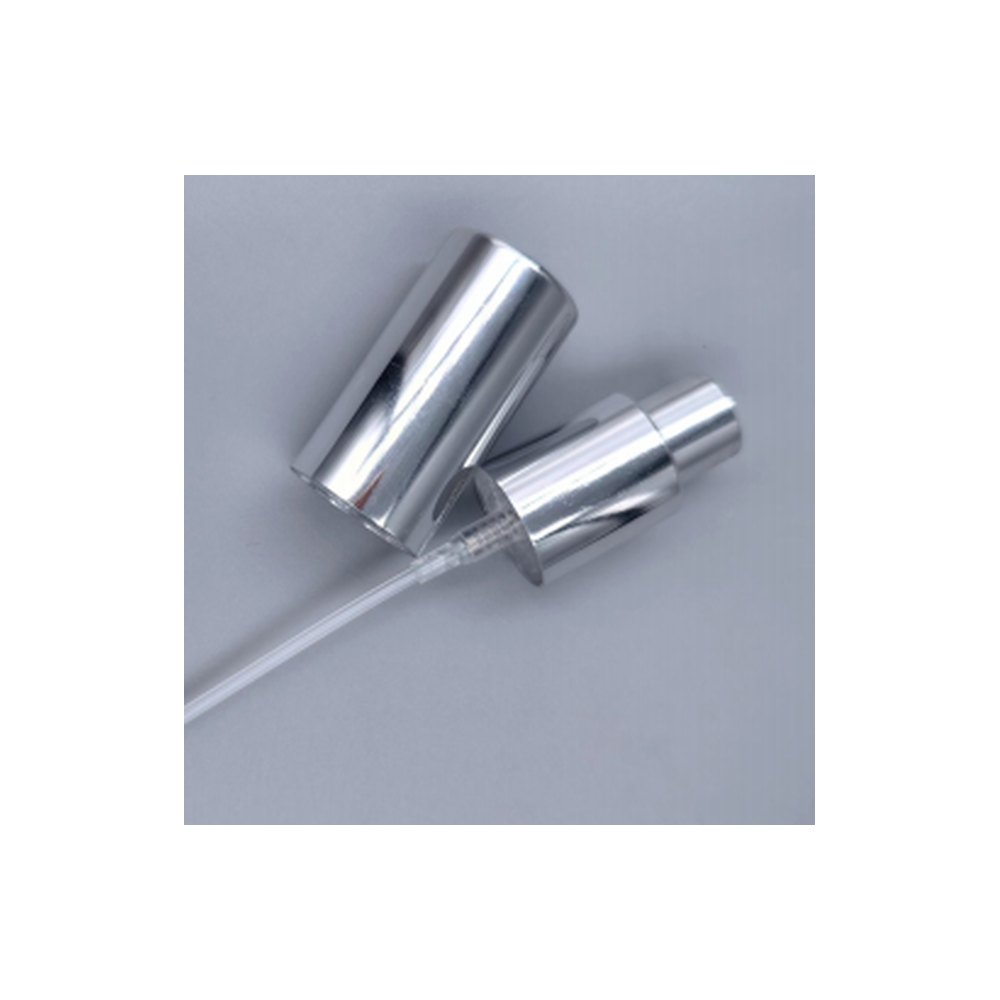
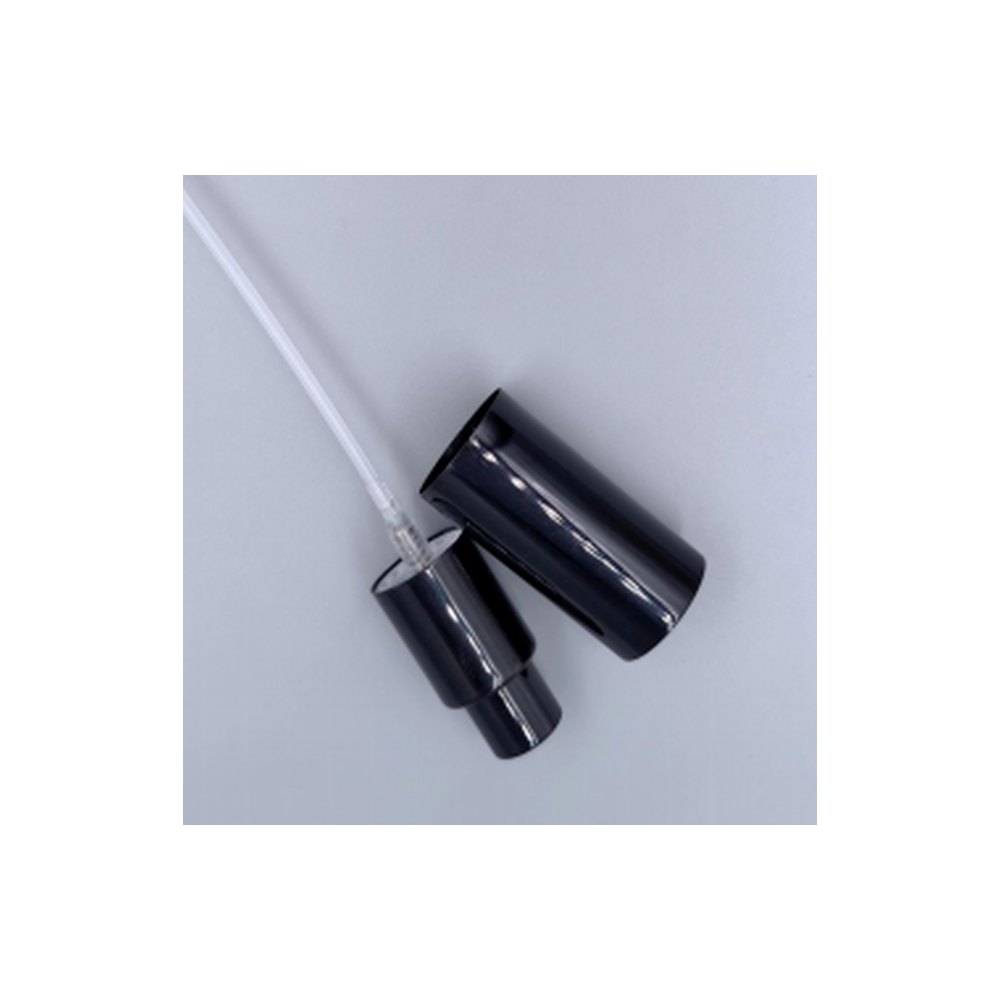
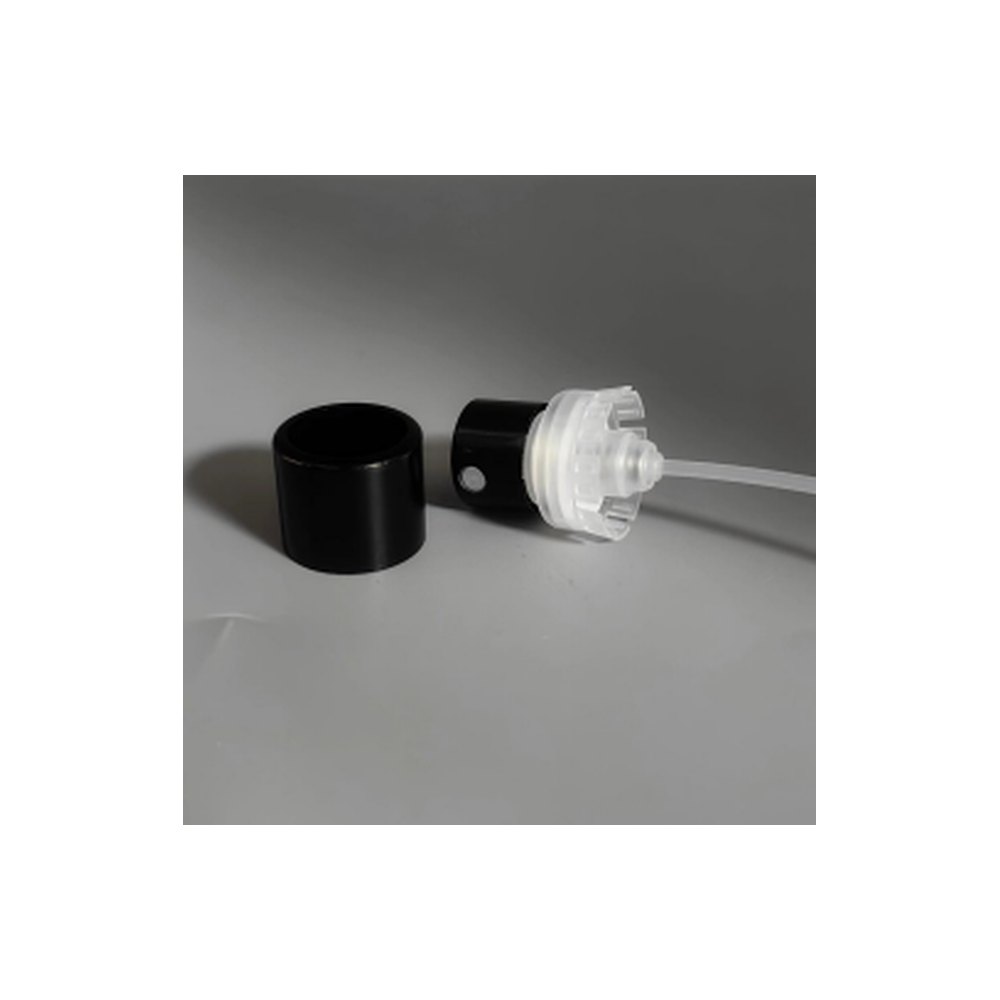
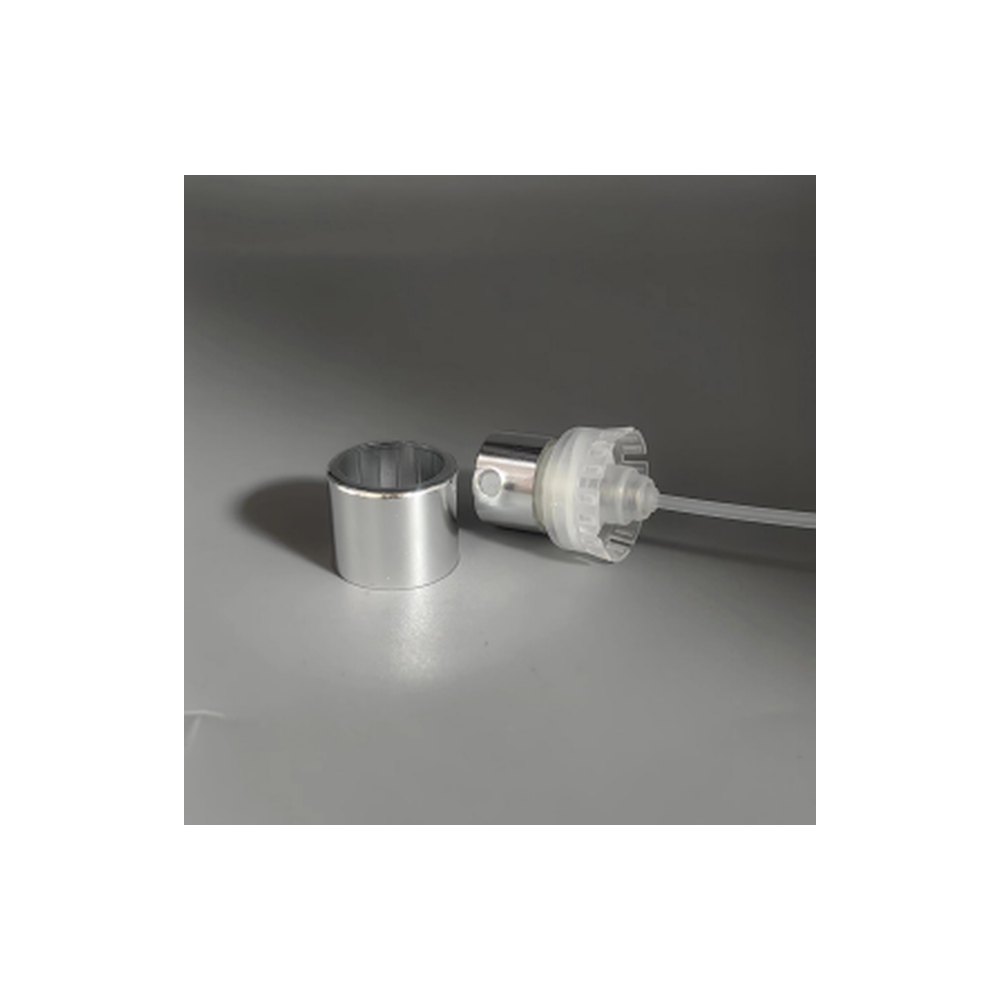
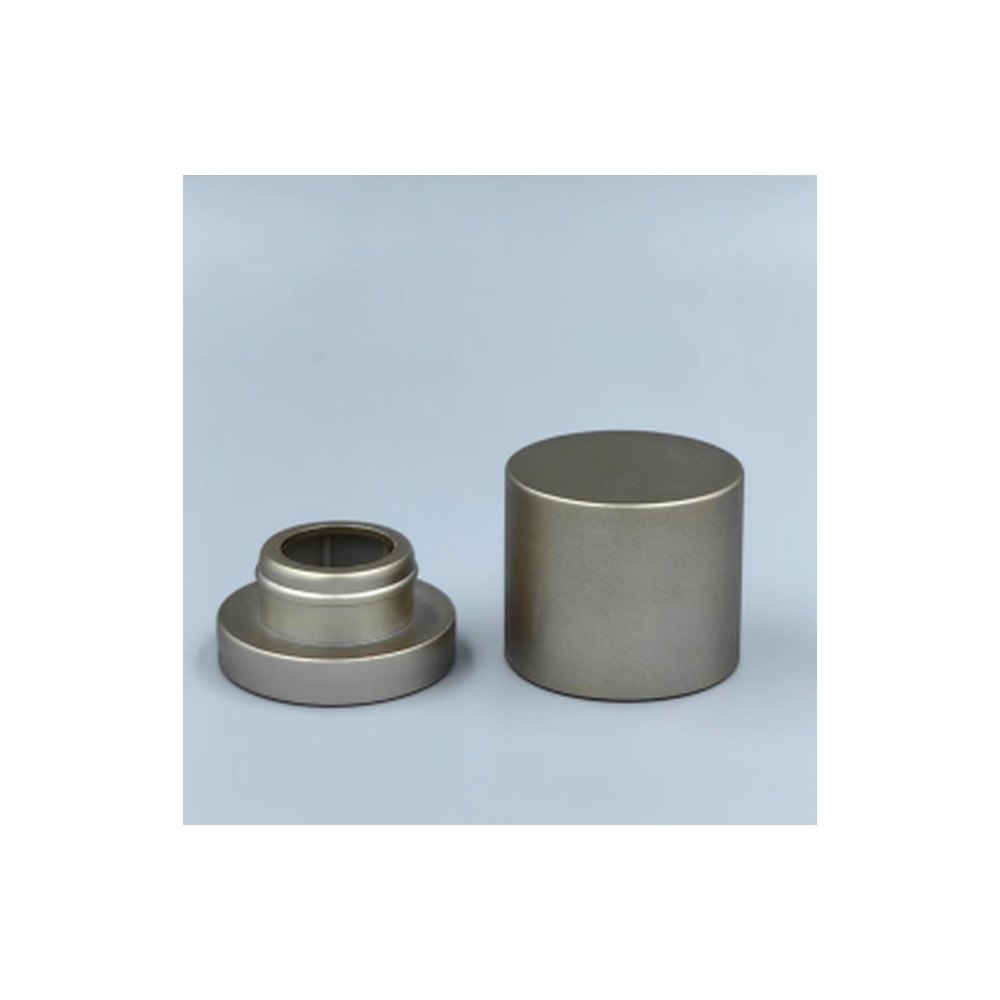
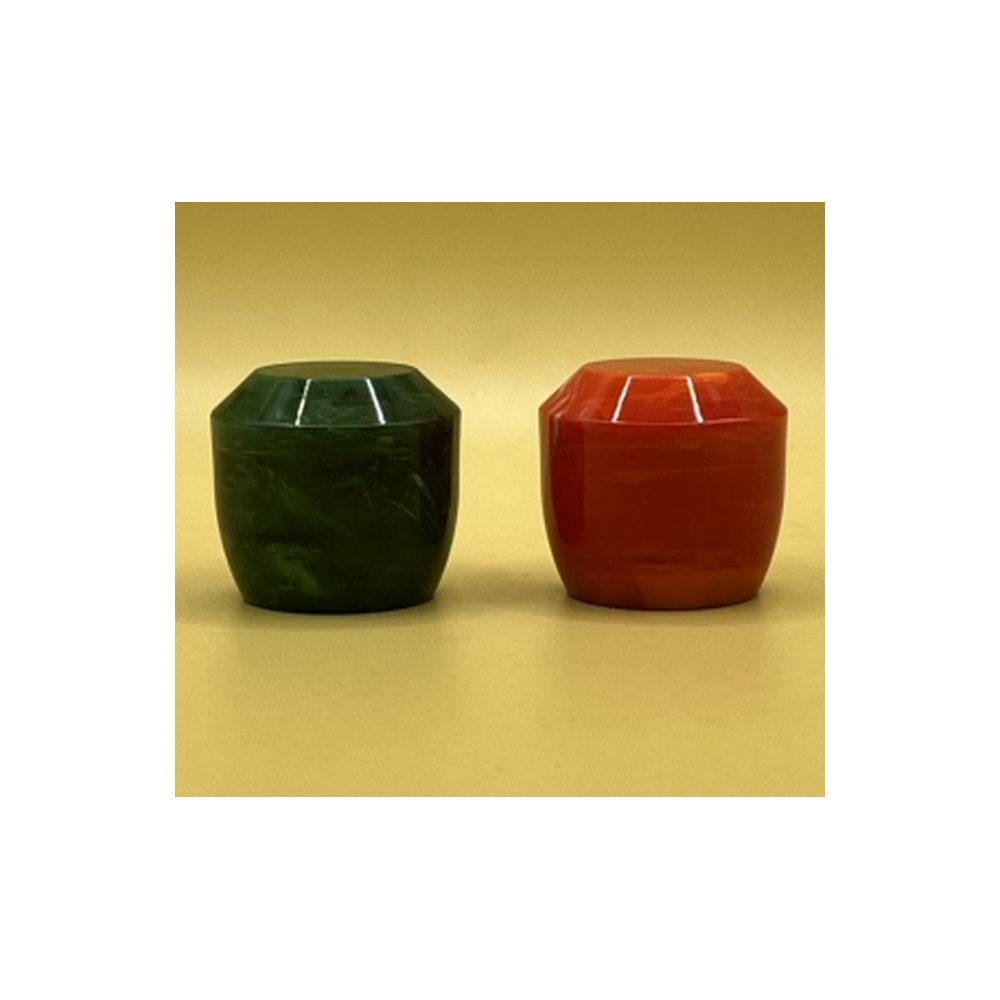
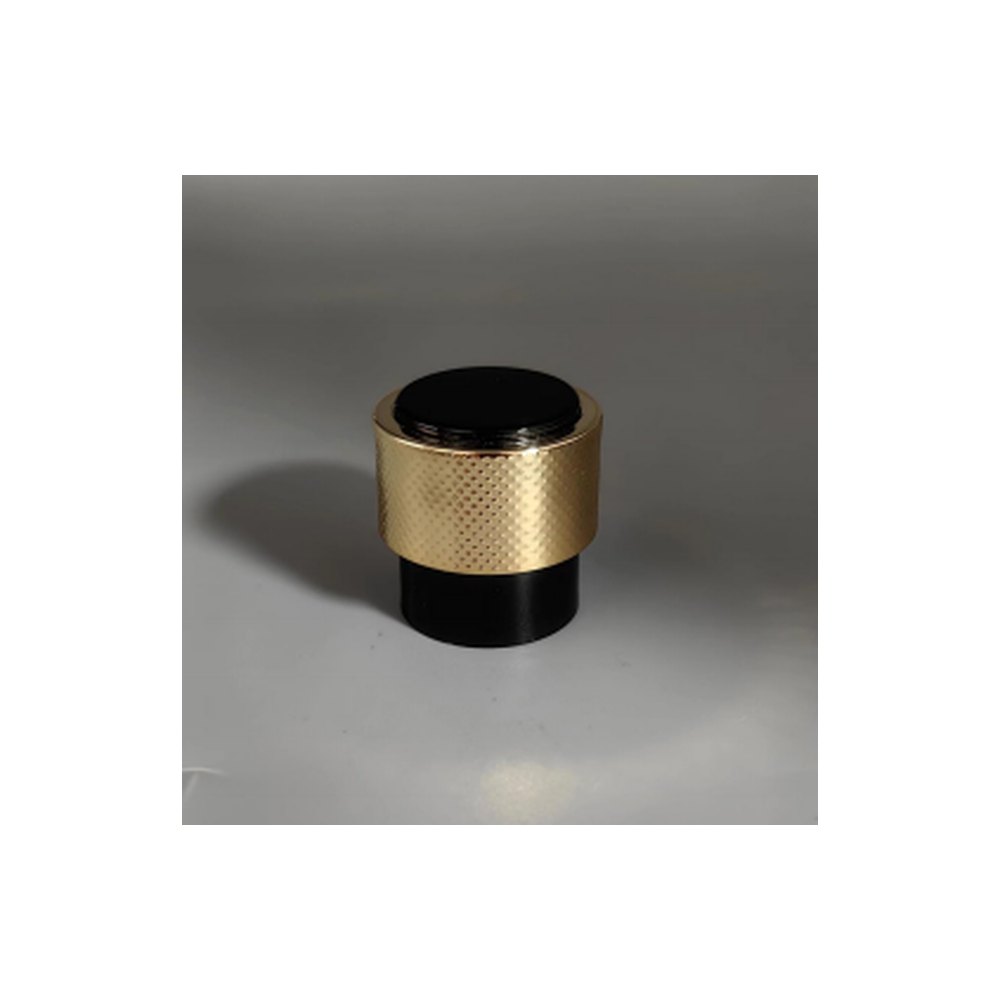
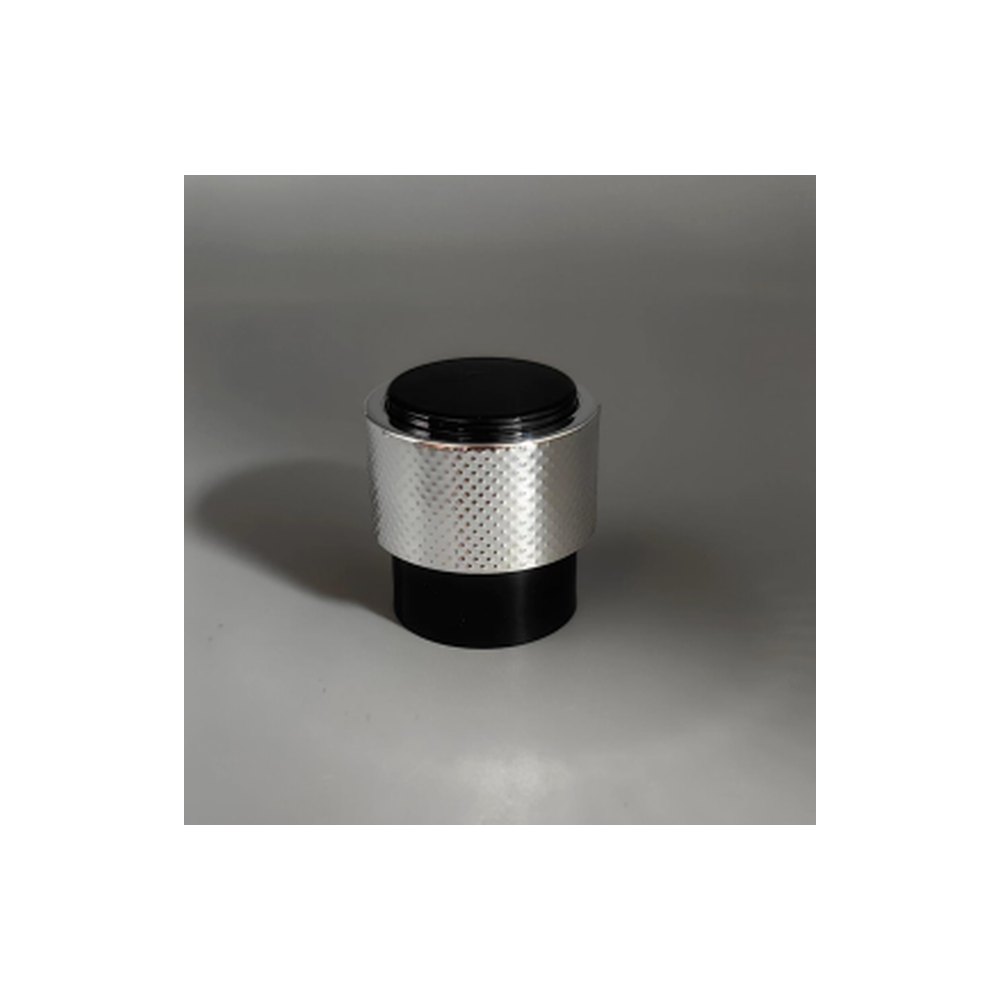
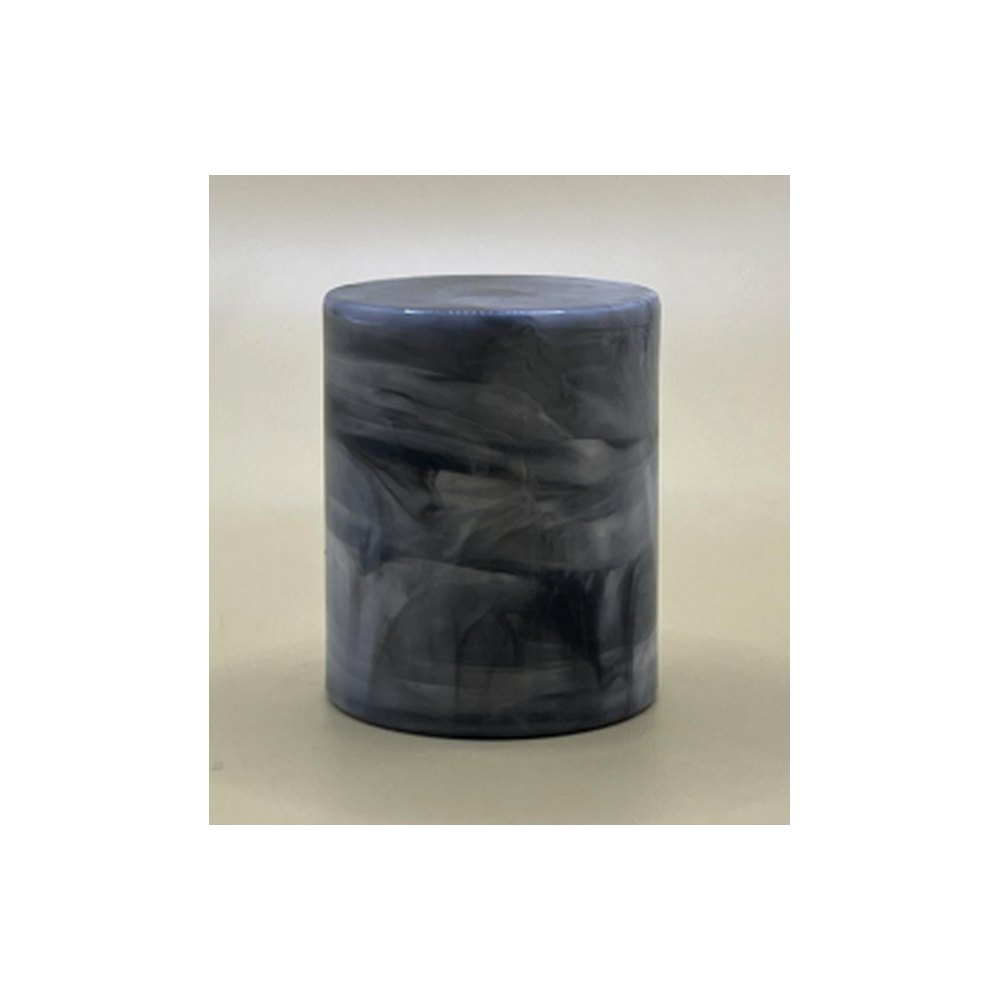
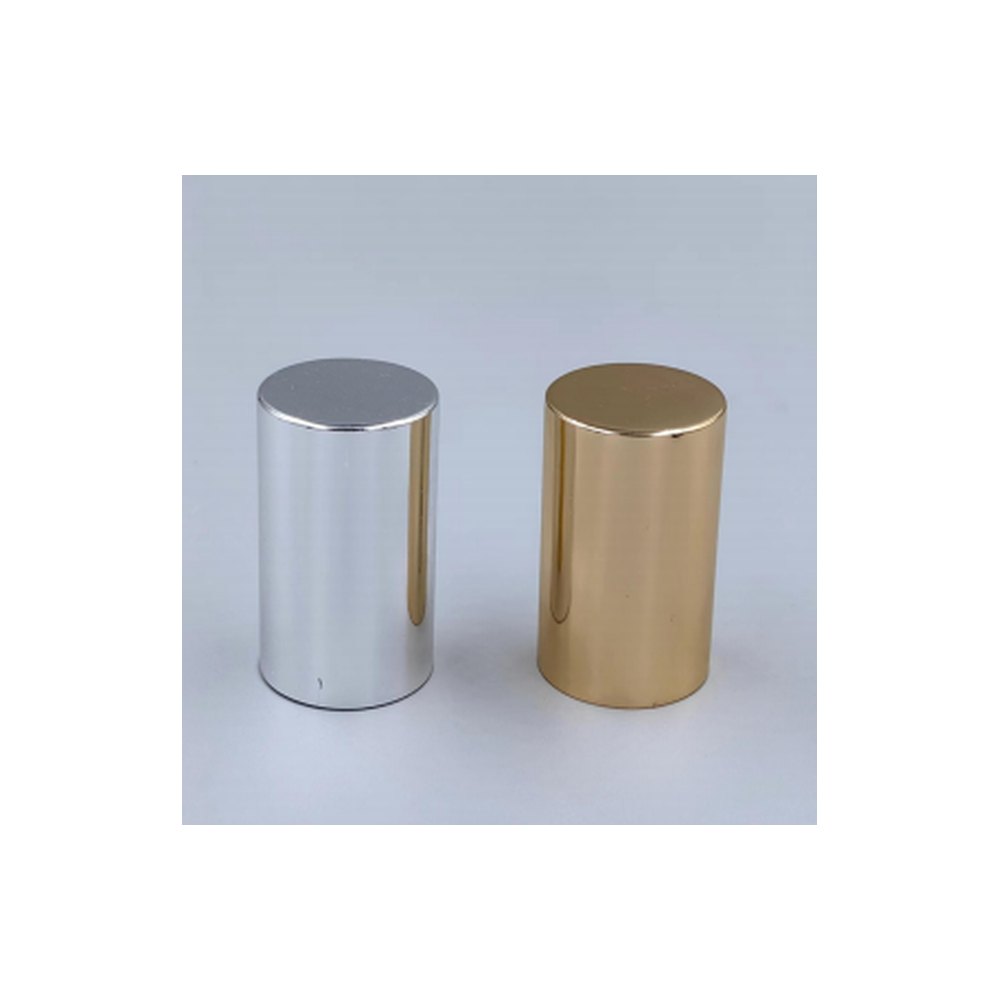
ABS, PP, aluminium, wood, ceramic and weighted constructions create different cost, weight, surface-treatment and recycling routes. Specify the visible finish, substrate, colour reference, parting-line limits and acceptable internal construction separately so supplier quotations describe the same cap rather than only the same visual mood.
Define measurable fit requirements
For each shortlisted cap, set the engagement depth, pull-off-force range, rotational play, clearance to the collar and permitted height variation. Heavy caps can change drop behaviour and add stress at the shoulder, while a front-facing cap also needs a written orientation rule for the finished pack.
Validate the decorated, filled set
Fit the cap with the actual bottle, pump and collar after the intended surface treatment. Then review cap engagement, actuator clearance, spray access, leakage, retention and transit behaviour using a filled pack. A dry fit or a cap-only sample cannot demonstrate the final packaging stack.
Quote MOQ and lead time by component
A purchase-ready quotation identifies the bottle SKU, pump, collar, cap construction, finish, assembly method, component MOQ, sample route, production lead time and export packing assumptions. This prevents a visually similar substitute from changing the fit evidence or the commercial plan after approval.